Parte 1 — Del campo a las vías: revolución agrícola y ferrocarriles
Fuente original: AGR. REV_ IMPACT_ RAILWAYS_2026.pdf
Página 1
Agricultural Revolution Check the worksheet for more details • The Agricultural Revolution was the unprecedented increase in agricultural production in Britain due to increases in labor and land productivity between the mid-17th and late 19th centuries. • Agricultural output grew faster than the population over the century to 1770 and thereafter productivity remained among the highest in the world. • The rise in productivity accelerated the decline of the agricultural share of the labor force, adding to the urban workforce on which industrialization depended. The Agricultural Revolution has therefore been cited as a cause of the Industrial Revolution. • However, historians also continue to dispute whether the developments leading to the unprecedented agricultural growth can be seen as “a revolution,” since the growth was, in fact, a result of a series of significant changes over a long period of time.
Página 2
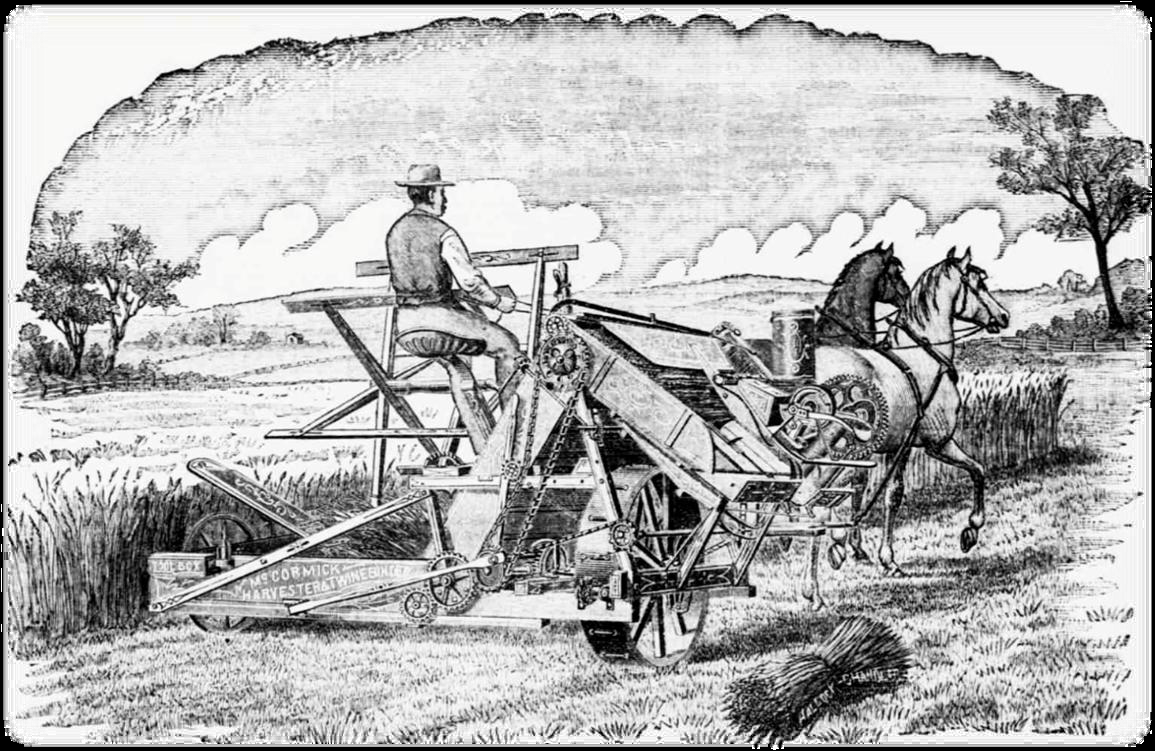
The Agricultural Revolution paved the way after buying up the land of village
farmers, wealthy landowners enclosed their land with fences or hedges.
The increase in their landholdings enabled them to cultivate larger fields.
Within these larger fields, called enclosures, landowners experimented with
more productive seeding and harvesting methods to boost crop yields.
Página 3
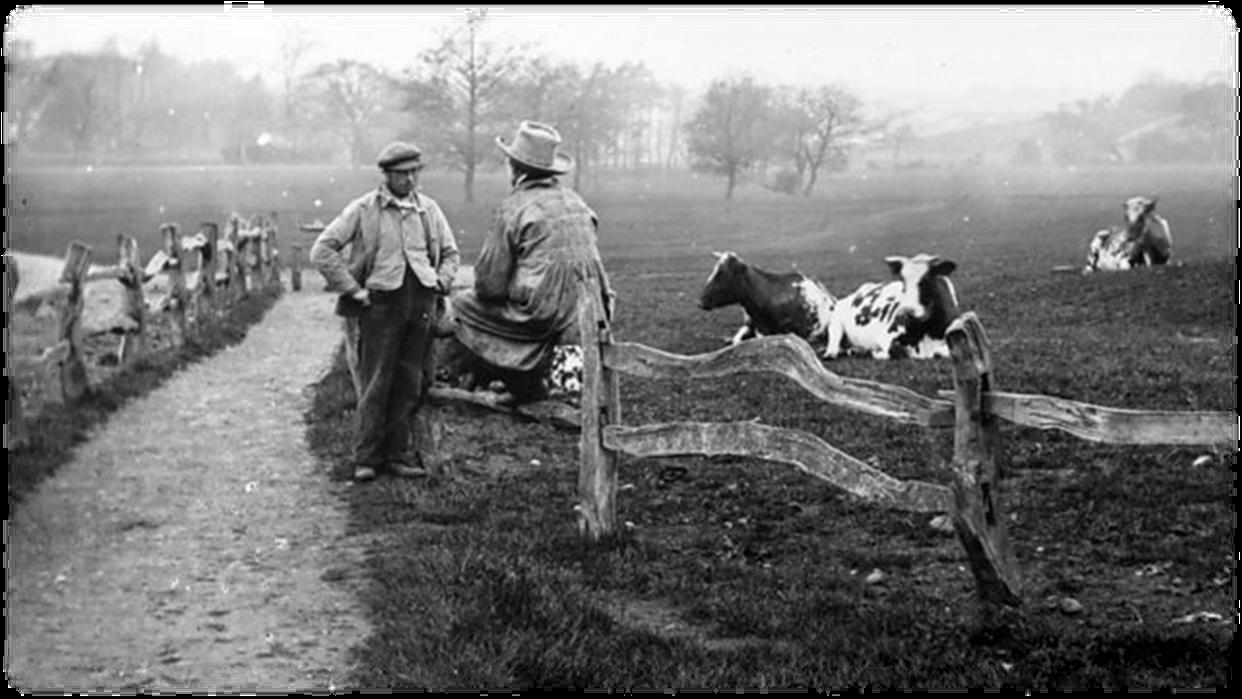
The enclosure movement had two important results First, landowners tried new agricultural methods. Second, large landowners forced small farmers to become tenant farmers or to give up farming and move to the cities. Enclosure movement: The legal process in England during the 18th century of enclosing a number of small landholdings to create one larger farm. Once enclosed, the use of the land became restricted to the owner and it ceased to be common land for communal use. In England and Wales, the term is also used for the process that ended the ancient system of arable farming in open fields.
Página 4
• Enclosure is the process that ended traditional rights on common land formerly held in the open field system and restricted the use of land to the owner. • Enclosure is one of the causes of the Agricultural Revolution and a key factor behind the labor migration from rural areas to gradually industrializing cities.
Página 5
(Sin texto seleccionable en esta página.)
Página 6
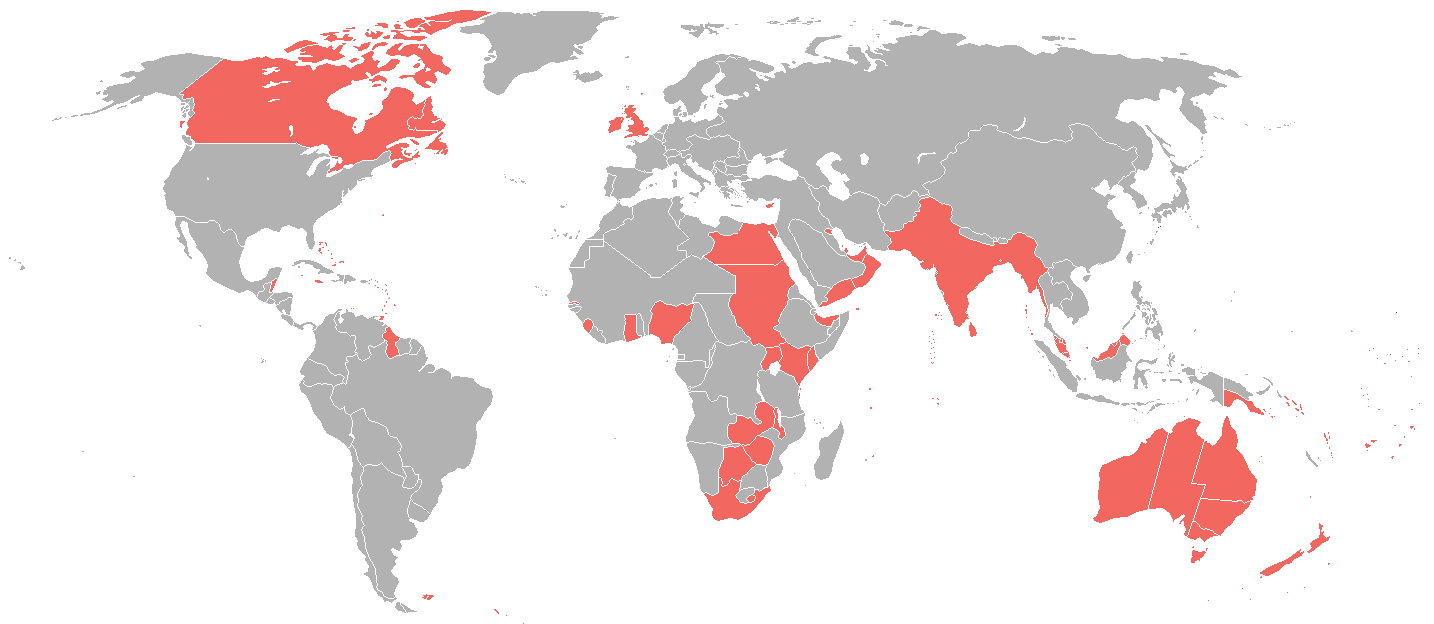
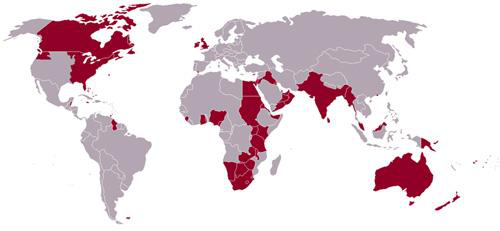
Queen Victoria is associated with Britain's great age of industrial expansion, economic progress and, especially, empire. Britain had a worldwide empire on which the sun never set.
Página 7
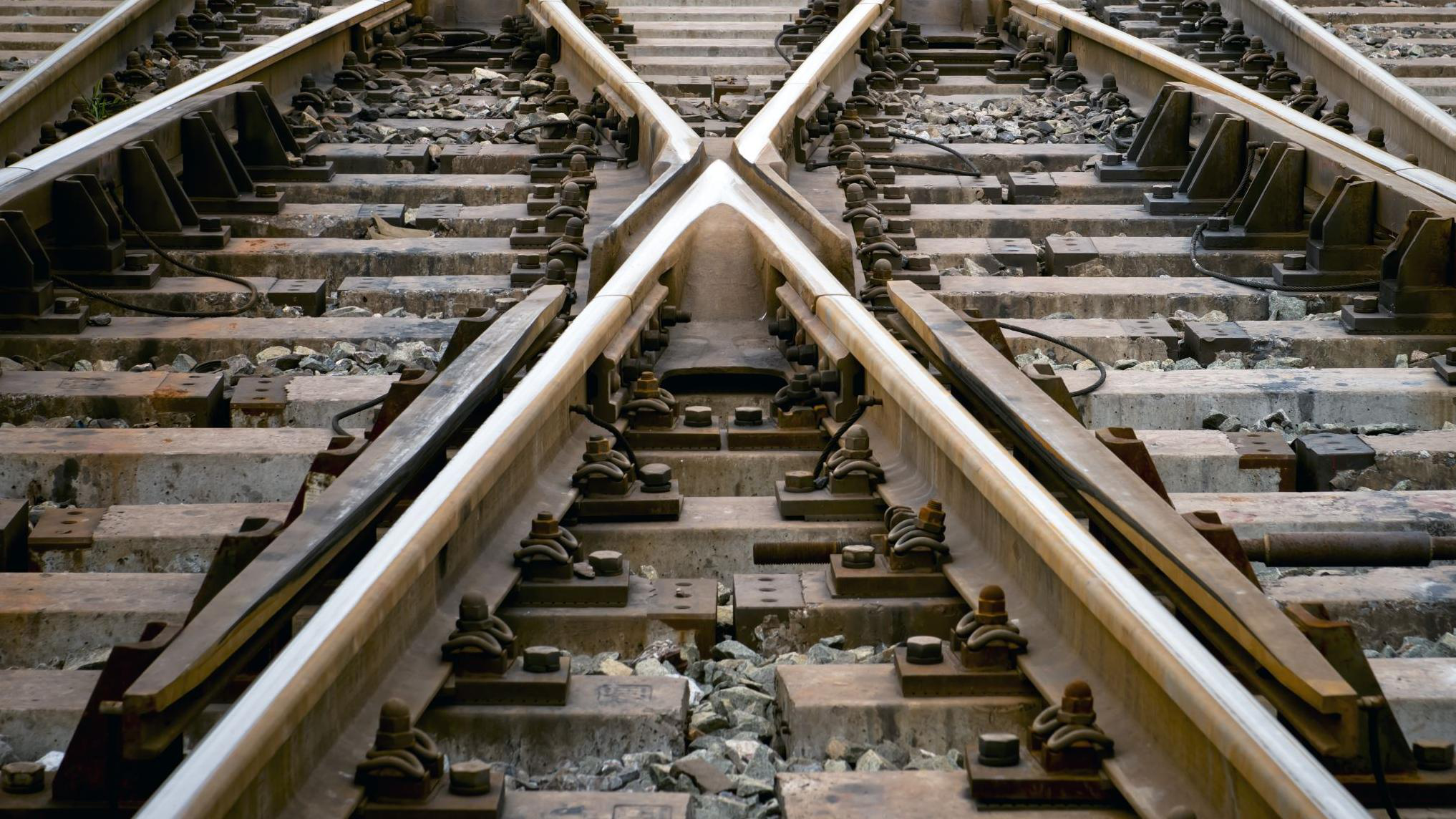
What was the impact of the Railways?
Página 8
(Sin texto seleccionable en esta página.)
Página 9
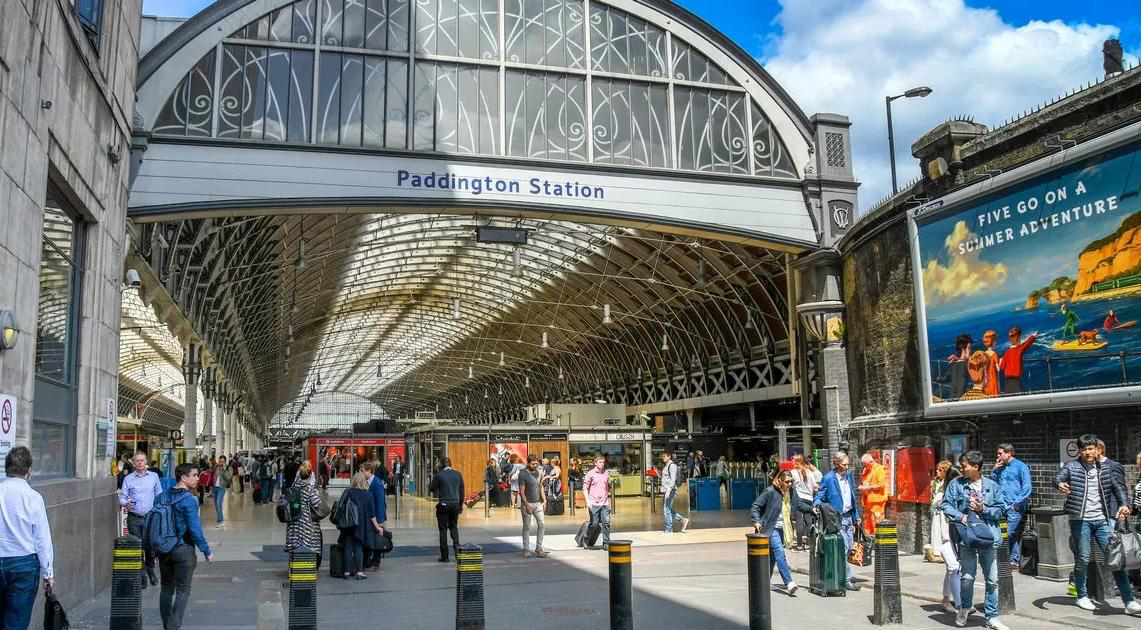
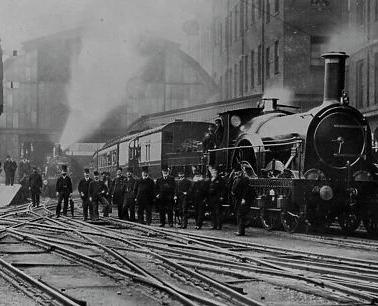
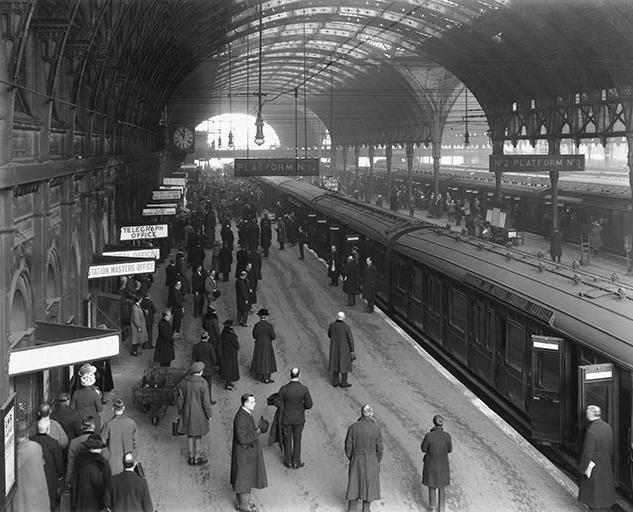
Railroads - Railway System Paddington Station, London
Página 10
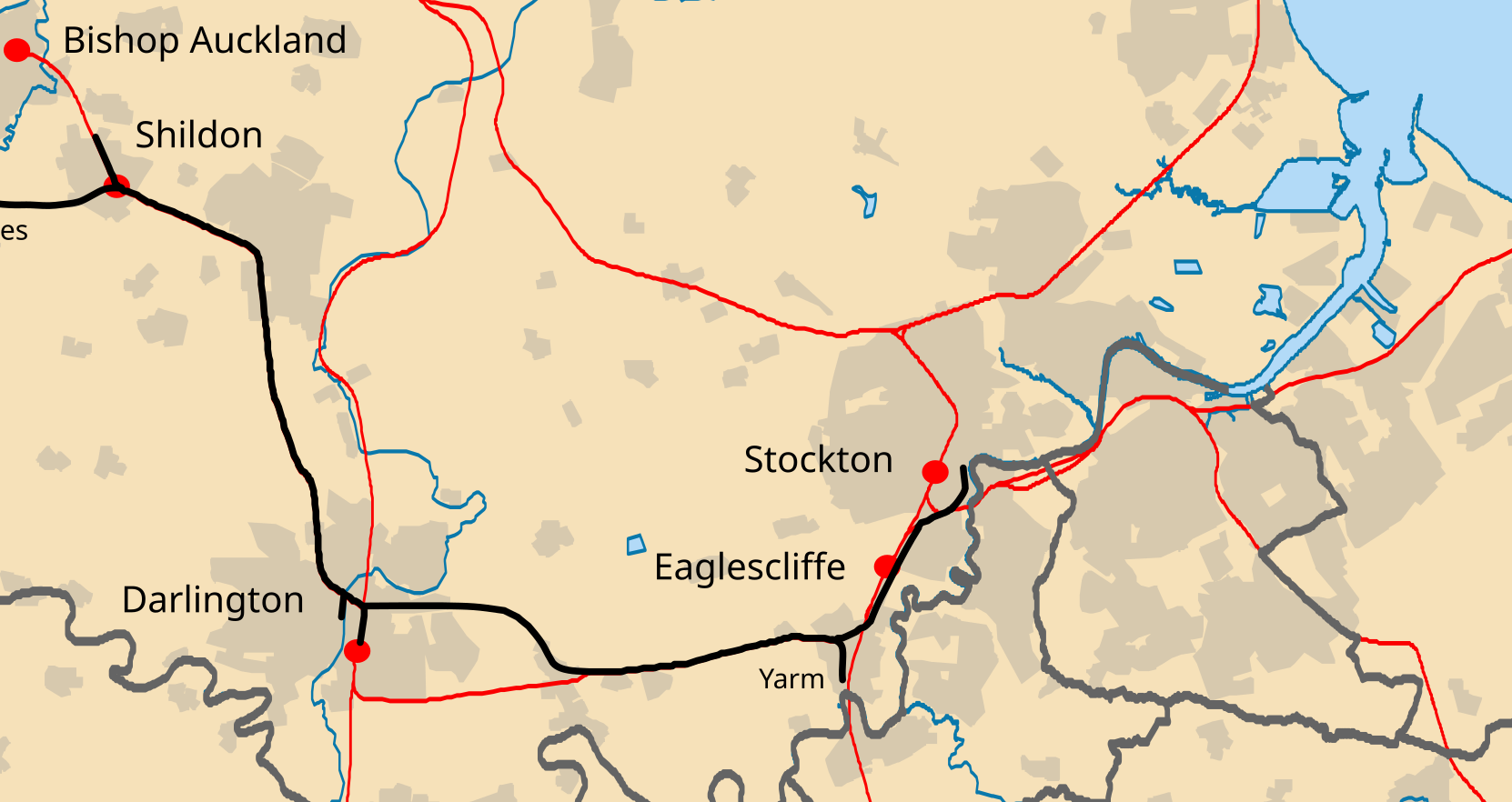
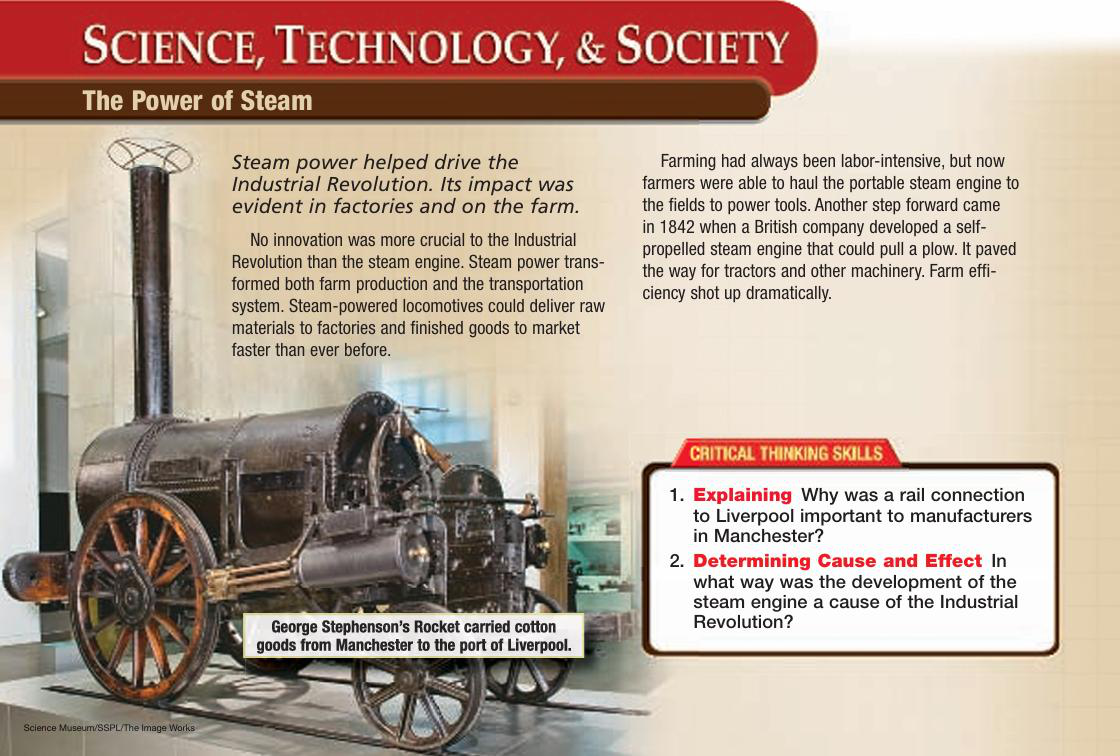
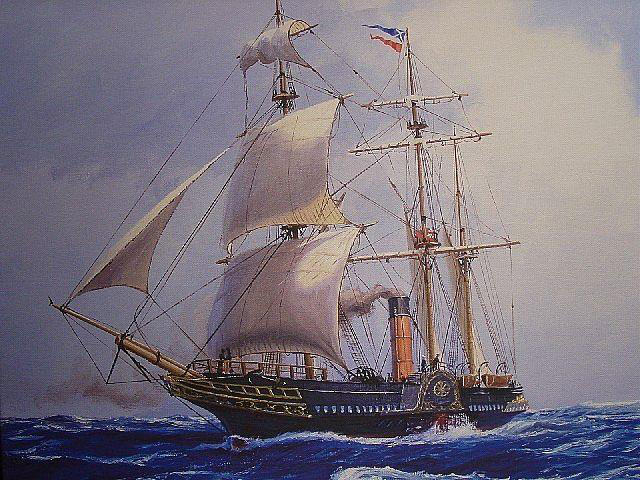
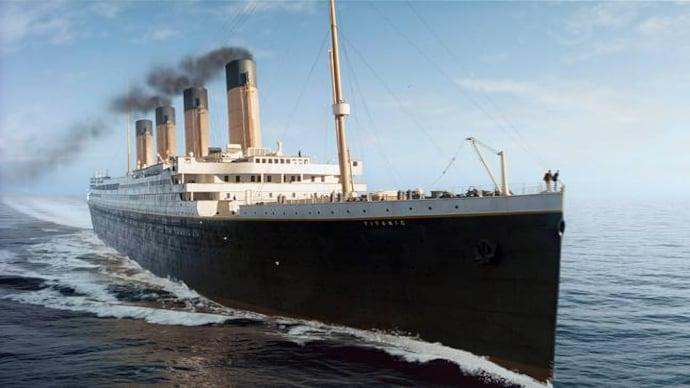
Railroads - Railway System In the eighteenth century, more efficient means of moving resources and goods developed. Railroads were particularly important to the success of the Industrial Revolution. Richard Trevithick, an English engineer, built the first steam locomotive. In 1804, Trevithick’s locomotive ran on an industrial rail-line in Britain. It pulled 10 tons (9 t) of ore and 70 people at 5 miles (8.05 km) per hour. In 1813, George Stephenson built the Blucher, the first successful flanged wheel locomotive. The success of Stockton & Darlington, the first true railroad, encouraged investors to link by rail the rich cotton-manufacturing town of Manchester with the thriving port of Liverpool, a distance of 32 miles (51.5 km). In 1829, the investors sponsored a competition to find the most suitable locomotive to do the job. They selected the Rocket.
Página 11
(Sin texto seleccionable en esta página.)
Página 12
(Sin texto seleccionable en esta página.)
Página 13
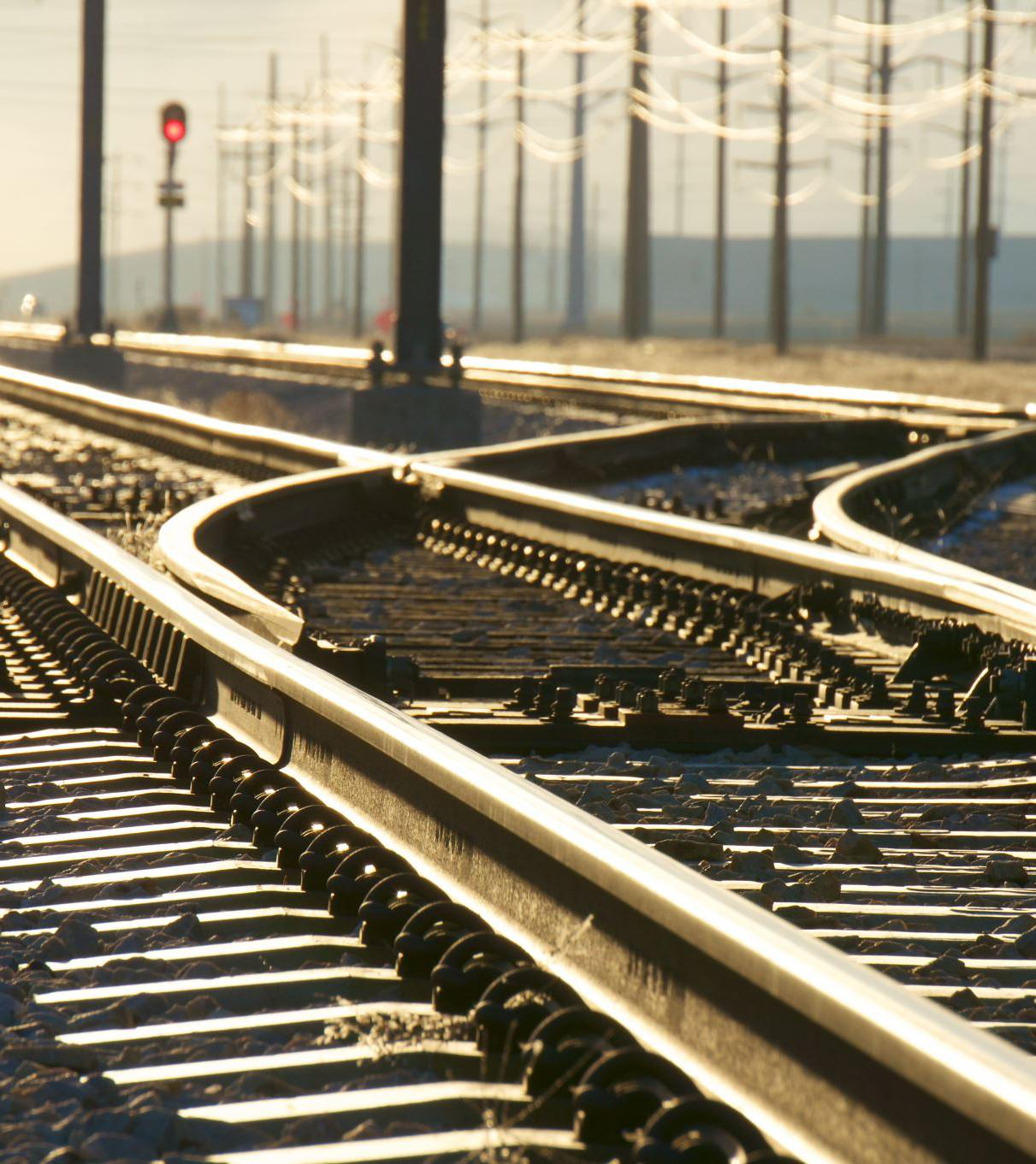
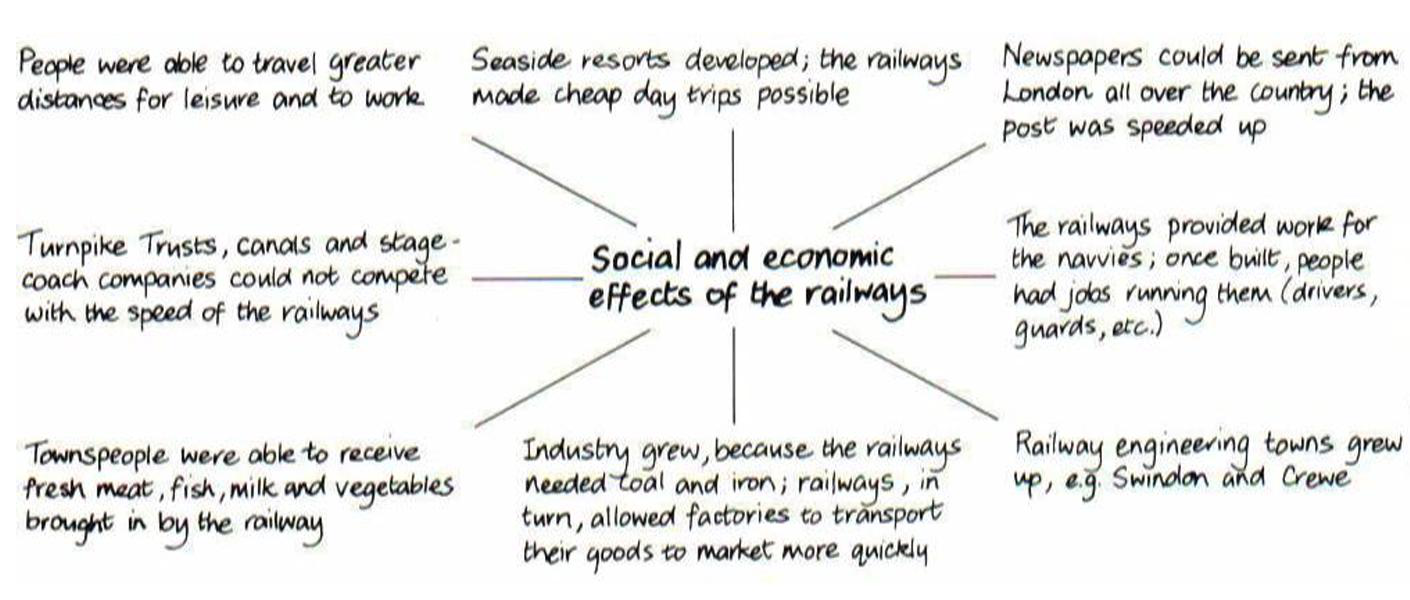
• Railroad expansion caused a ripple effect in the economy. • Building railroads created new jobs for farm laborers and peasants. Less expensive transportation led to lower priced goods, thus creating larger markets. More sales meant more factories and more machinery. Business owners could reinvest their profits in new equipment, adding to the growth of the economy. • This type of regular, ongoing economic growth became a basic feature of the new industrial economy.
Página 14
(Sin texto seleccionable en esta página.)

Página 15
Social & Economic effects
Página 16
(Sin texto seleccionable en esta página.)
Página 17
https://www.youtube.com/watch?v=BTff04cFsRw
Siguiente bloque: continúa la secuencia de estudio con la parte siguiente; el contenido debajo es el mismo que en el PDF de origen.
Parte 2 — Trabajo en la Revolución Industrial (BBC)
Fuente original: BBC_Working.pdf
Página 1
S5 HISTORY – The Industrial Revolution
Working conditions in factories
•
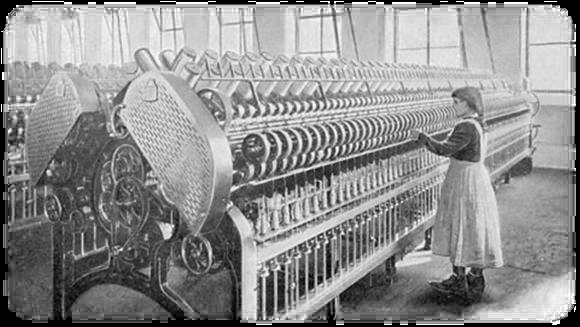
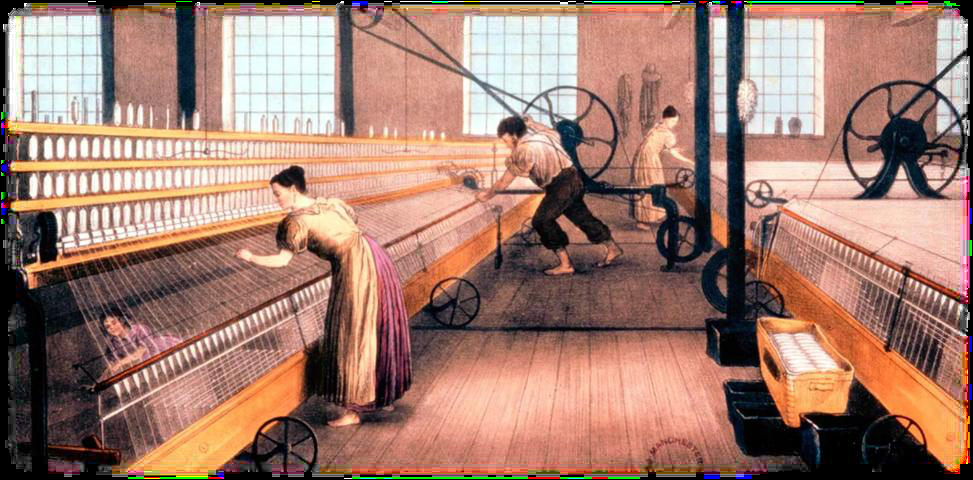
Long working hours - normal shifts were usually 12-14 hours a day, with
extra time required during busy periods. Workers were often required to
clean their machines during their mealtimes.
•
Low wages - a typical wage for male workers was about 15 shillings (75p)
a week, but women and children were paid much less, with women
earning seven shillings (35p) and children three shillings (15p). For this
reason, employers preferred to employ women and children. Many men
were sacked when they reached adulthood; then they had to be
supported by their wives and children.
•
Cruel discipline - there was frequent strapping (hitting with a leather
strap). Other punishments included hanging iron weights around
children's necks, hanging them from the roof in baskets, nailing
children's ears to the table, and dowsing them in water butts to keep
them awake.
•
Fierce systems of fines - these were imposed for talking or whistling,
leaving the room without permission, or having a little dirt on a machine.
It was claimed that employers altered the time on the clocks to make
their workers late so that they could fine them. Some employers
demanded that their overseers raise a minimum amount each week from
fines.
•
Accidents - forcing children to crawl into dangerous, unguarded
machinery led to many accidents. Up to 40 per cent of accident cases at
Manchester Infirmary in 1833 were factory accidents.
•
Health - cotton thread had to be spun in damp, warm conditions. Going
straight out into the cold night air led to many cases of pneumonia. The
air was full of dust, which led to chest and lung diseases and loud noise
made by machines damaged workers' hearing.
•
Parish apprentices - orphans from workhouses in southern England
were apprenticed to factory owners, supposedly to learn the textiles
trade. They worked 12-hour shifts, and slept in barracks attached to the
factory in beds just vacated by children about to start the next shift.


Siguiente bloque: continúa la secuencia de estudio con la parte siguiente; el contenido debajo es el mismo que en el PDF de origen.
Parte 3 — Población y vida urbana
Fuente original: Population change_Living BBC.pdf
Página 1
S5 HISTORY – The Industrial Revolution
1
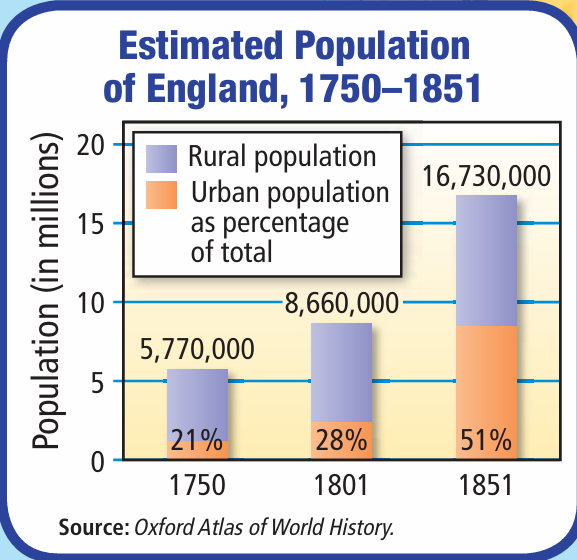
Population change • In 1811 the population of England, Wales, Scotland and Ireland was 18 million. • By 1851 this had increased to 27 million. • London had grown in size from around 1.5 million to 2.5 million people. At the same time the number of people emigrating from Britain grew hugely from 2,000 to 300,000. • By 1850 more than half the British population lived in towns and cities and worked in factories and mines. • Many cities such as Liverpool, Glasgow and Manchester had grown in size. Living conditions in cities Pollution - coal was used to heat houses, cook food and heat water to produce steam to power machines in factories. The burning of coal created smoke, which led to terrible pollution in the cities. Overcrowding - due to large numbers of people moving to the cities, there were not enough houses for all these people to live in. Low wages and high rents caused families to live in as small a space as possible. Sometimes whole families lived in one room. Disease - typhus, typhoid, tuberculosis and cholera all existed in the cities of England. Cholera reached England for the first time in 1830, and there were further major epidemics in 1832 and 1848. Overcrowding, housing of a low standard and poor quality water supplies all helped spread disease. Waste disposal - gutters were filled with litter and the streets were covered in horse manure, collected by boys to sell to farmers. Human waste was discharged directly into the sewers, which flowed straight into rivers. In London, Parliament had to stop work because the smell from the Thames became too much.



Página 2
S5 HISTORY – The Industrial Revolution
2 Poor quality housing - houses were built very close together so there was little light or fresh air inside them. They did not have running water and people found it difficult to keep clean. Houses often suffered from damp due to their thin walls and roofs made out of cheap materials. Many households had to share a single outside toilet that was little more than a hole in the ground. Lack of fresh water - people could get water from a variety of places, such as streams, wells and stand pipes, but this water was often polluted by human waste. Changes in public health Before the 1830s nothing had been done about public health for many years. Two important reasons for this inactivity were that: • most governments felt they should not interfere too much in people's lives. This was known as the principle of laissez faire1 • any large scale public health improvements would be very expensive, and taxes would have to be raised The Industrial period In the industrial period many factories were built and towns grew up beside them. The housing conditions were often very poor. The government was forced to intervene due to: • an increase in diseases such as typhoid and cholera • the work of Edwin Chadwick which showed the connection between health and hygiene Summary Public health provision was completely transformed as the 19th century progressed. Overcrowding, dirt, poverty and disease went hand in hand at the century's start, but by the 1900s energetic social reformers had comprehensively turned things round. In the early 19th century, the growing towns of Britain were characterised by: • overcrowding • poor housing
1 Translated as ‘leave well alone’ or ‘let the people choose’. A government policy of interfering as little as possible in social and economic policy.
Página 3
S5 HISTORY – The Industrial Revolution
3 • bad water • disease In 1842, Edwin Chadwick argued that disease was the main reason for poverty, and that preventing disease would reduce the poor rates. In 1848, a cholera epidemic terrified the government into doing something about prevention of disease - through both public and individual health measures. Public measures At first the government tried - as the Romans had done - to prevent illness among the population by public sanitation measures. The first public health measures were based upon the idea that miasmas2 caused disease. Although the idea was wrong, the measures against the miasmas involved a greater focus on cleanliness, and this improved public health. Further measures included: • In 1848 the first Public Health Act caused the setting up of a Board of Health, and gave towns the right to appoint a Medical Officer of Health. • In 1853vaccination against smallpox was made compulsory. • In 1854 improvements in hospital hygiene were introduced (thanks in large part to Florence Nightingale). • In 1875 a Public Health Act enforced laws about slum clearance, provision of sewers and clean water, and the removal of nuisances. The benefits of these measures soon became clear, and by the late 19th century local councils were competing with each other to provide the best public health.
2 Smells from decomposing material, such as animal and human waste, that were thought to cause disease.
Siguiente bloque: continúa la secuencia de estudio con la parte siguiente; el contenido debajo es el mismo que en el PDF de origen.
Parte 4 — La Revolución Industrial: panorama general
Fuente original: The Industrial Revolution_S5HISEN_ 2026.pdf
Página 1
The Industrial Revolution (1750 - 1900) S5HISEΝ – February/March 2026

Página 2
(Sin texto seleccionable en esta página.)
Página 3
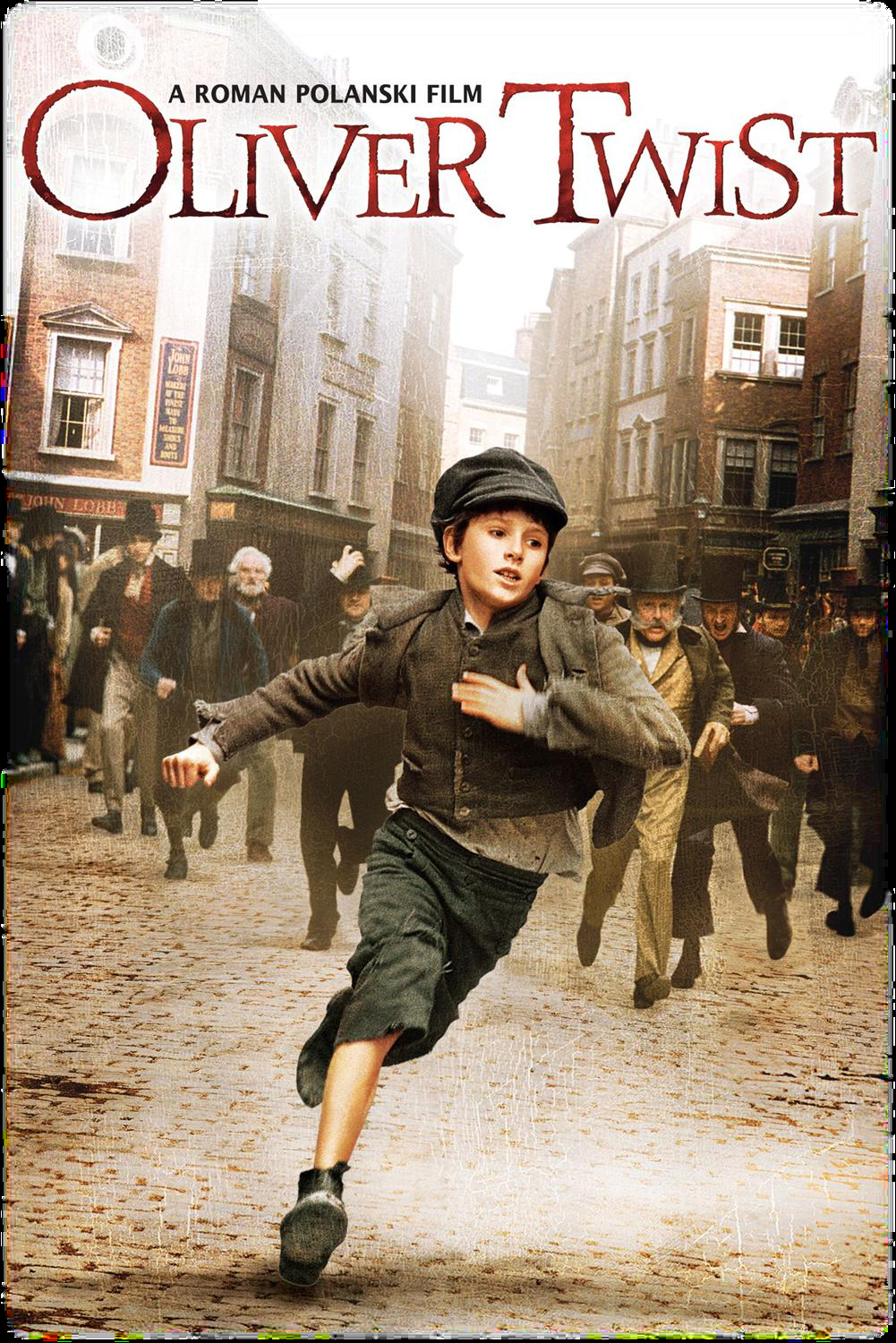
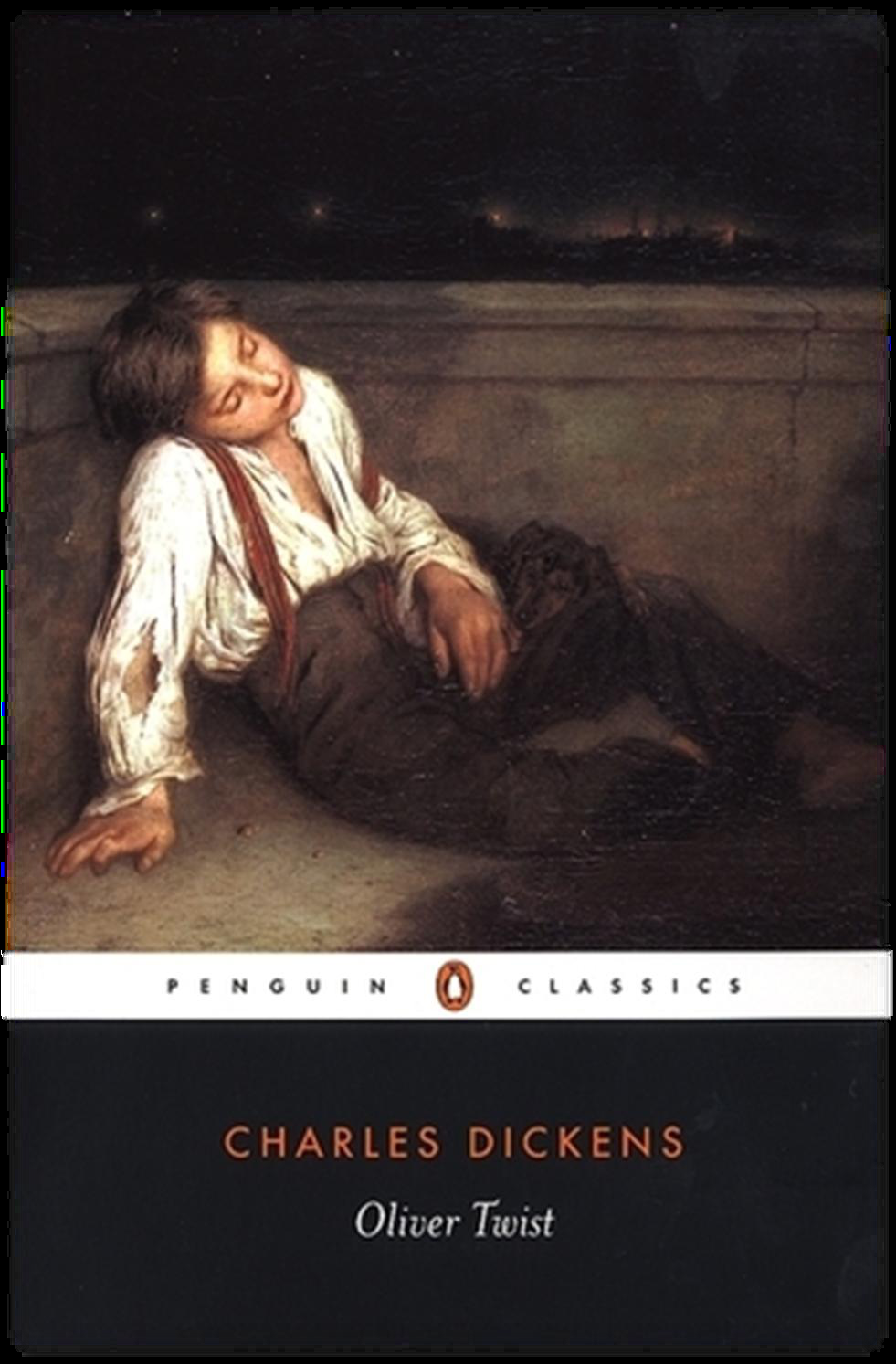
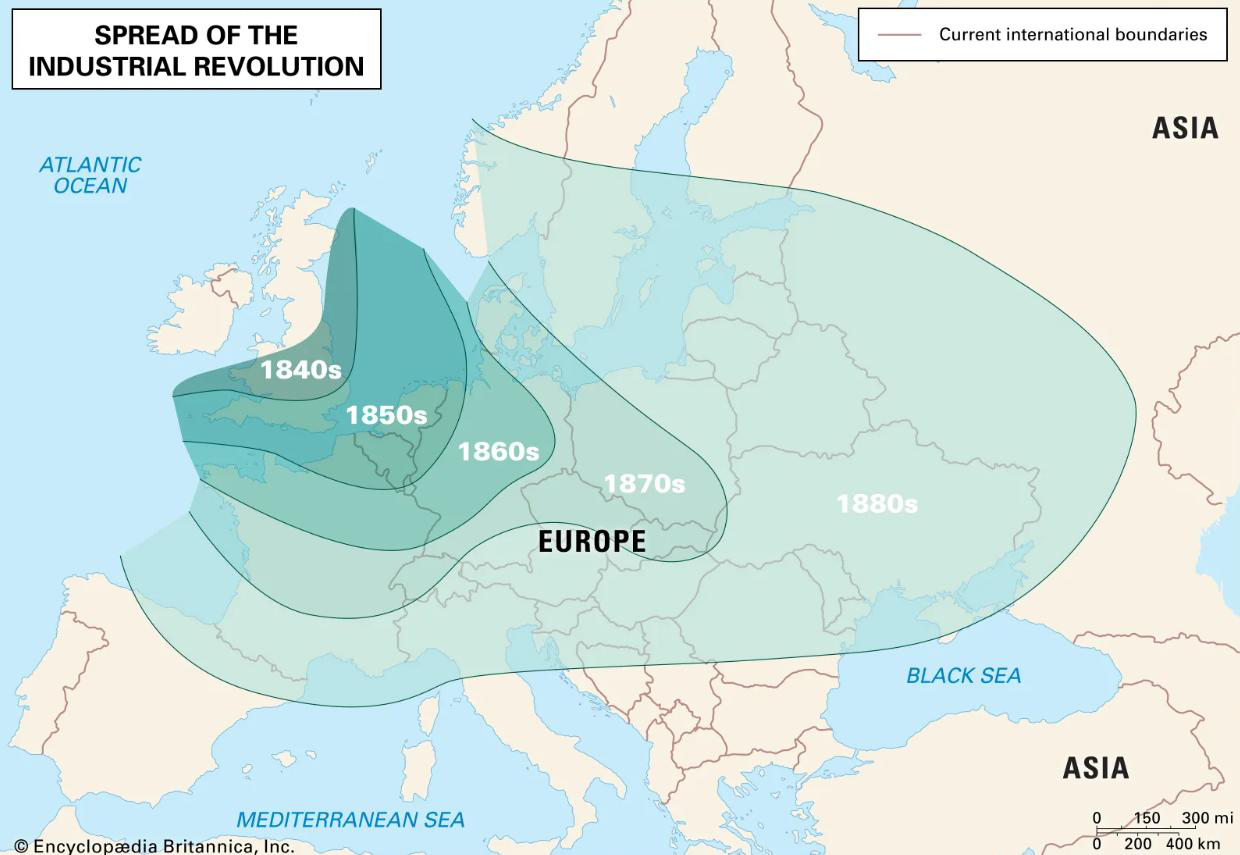
The Industrial Revolution was a period from the 18th to the 19th century where major changes in agriculture, manufacturing, mining, and transport had a profound effect on the socio-economic and cultural conditions starting in the United Kingdom, and then subsequently spreading throughout Europe, North America, and eventually the world. The onset of the Industrial Revolution marked a major turning point in human history. Almost every aspect of daily life was eventually influenced in some way, from where people lived and worked to how people viewed the world and their life expectations.
Página 4
(Sin texto seleccionable en esta página.)
Página 5
Why was there an Industrial Revolution?

Página 6
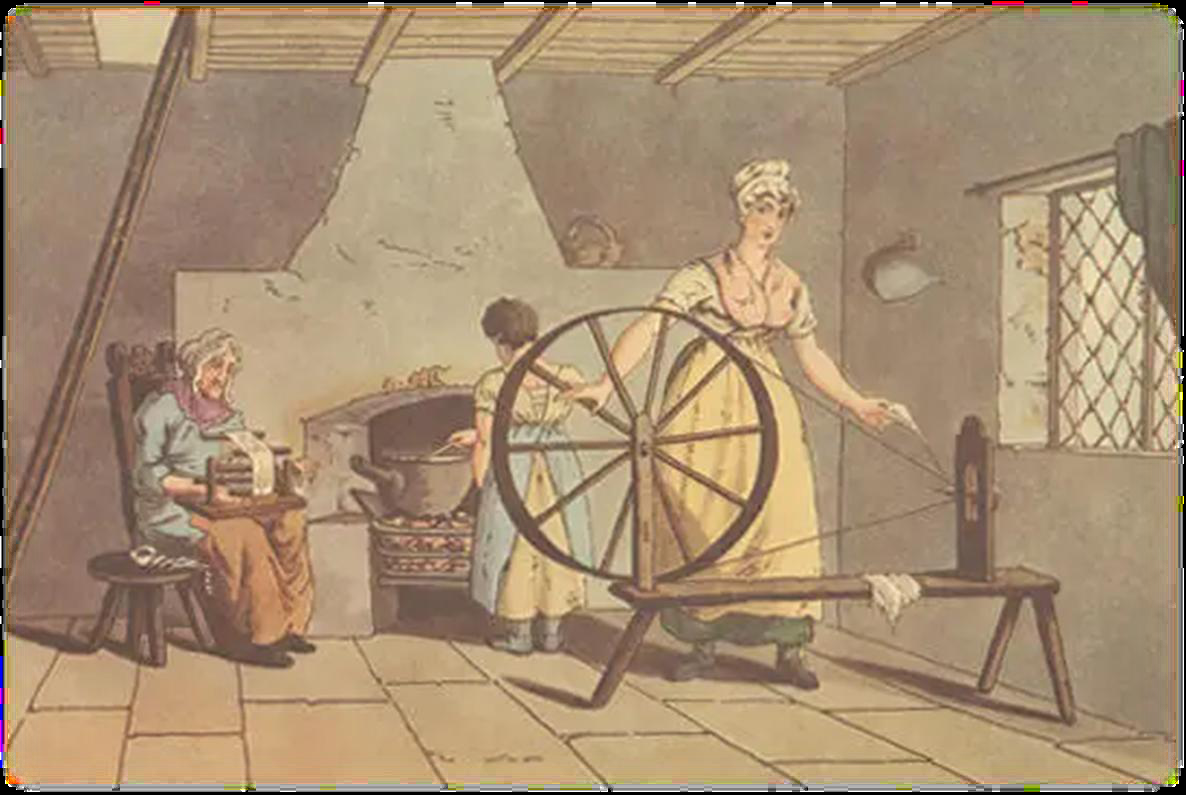
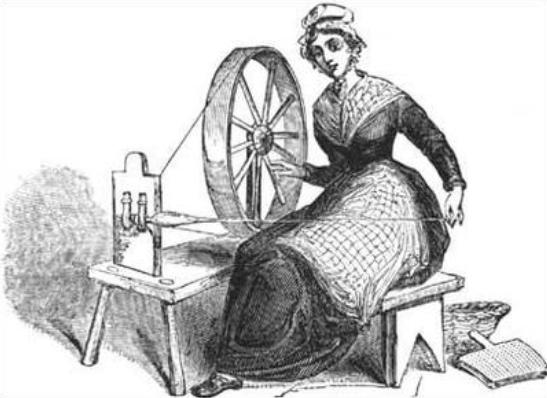
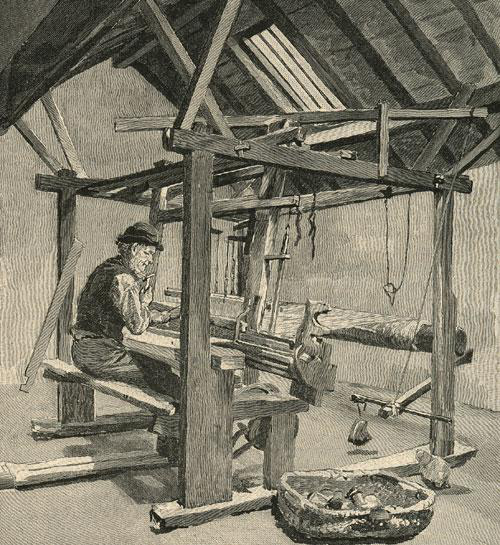
The Domestic System • Domestic system was called the manufacturing system that existed before the industrial revolution. • Before 1750 in Britain, goods were produced by very small industries. (e.g. textile industry) in people's homes or in small workshops. • The manufacturer delivered the raw materials and the whole family, including the children, made the goods in their cottage. • They used hand or water-powered spinning wheels or looms. • Then the manufacturer collected the products and paid the head of the family for the work. • The domestic system had advantages for the workers, but many disadvantages for the manufacturers.
Página 7
Advantages for the workers ✓The workers were their own boss. This means that they had flexibility and could decide how much they would work and when. ✓They did not have to move every day, and the profit was mainly for them. Disadvantages for the manufacturers • The manufacturer could not check the workers while they were working. • Workers could not produce big amounts of products, so the profit was low. • Manufacturers had to move a lot. They had to bring the raw materials and then go to collect the products.


Página 8
Why did the domestic system have to change? The Domestic system had two (2) main characteristics: 1) Everything was produced by hand, so the production was slow. 2) It also produced goods in small quantities. However, the population was growing fast in the 18th century, so this system could not produce the number of goods people needed. The Industrial revolution started when some manufacturers recognized the disadvantages of the Domestic system and invented machines that they could do the work of several people. This was a long process before 1750. It did not happen suddenly.
Página 9
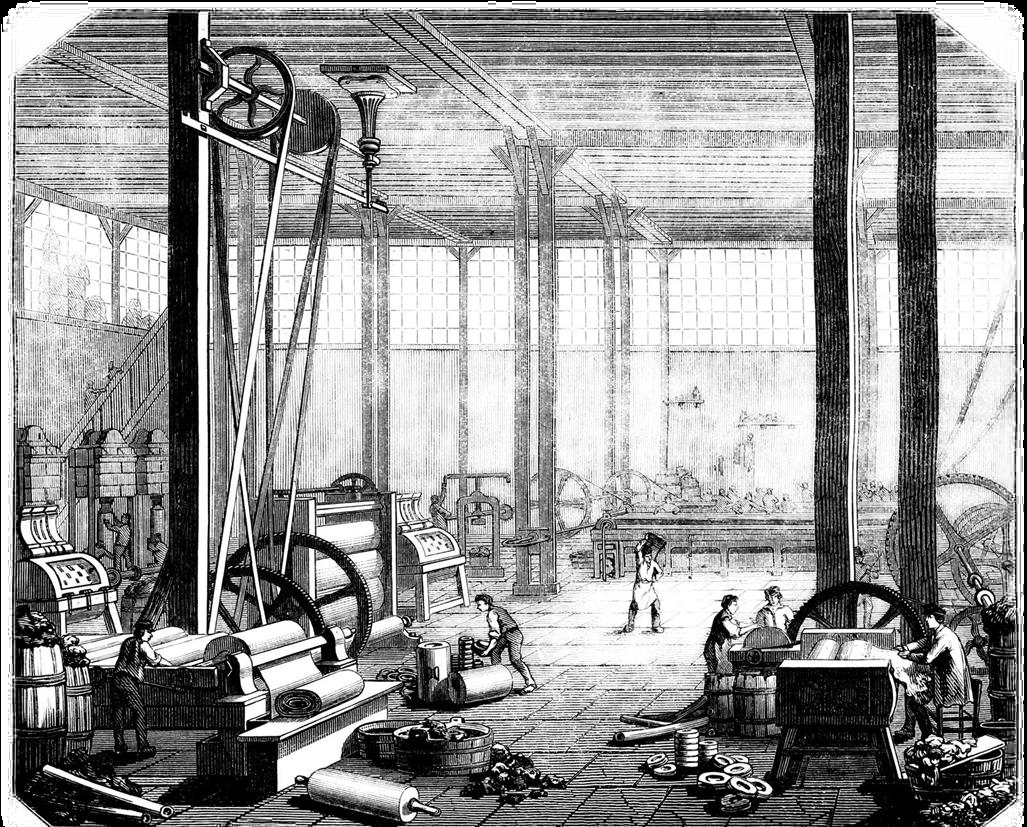
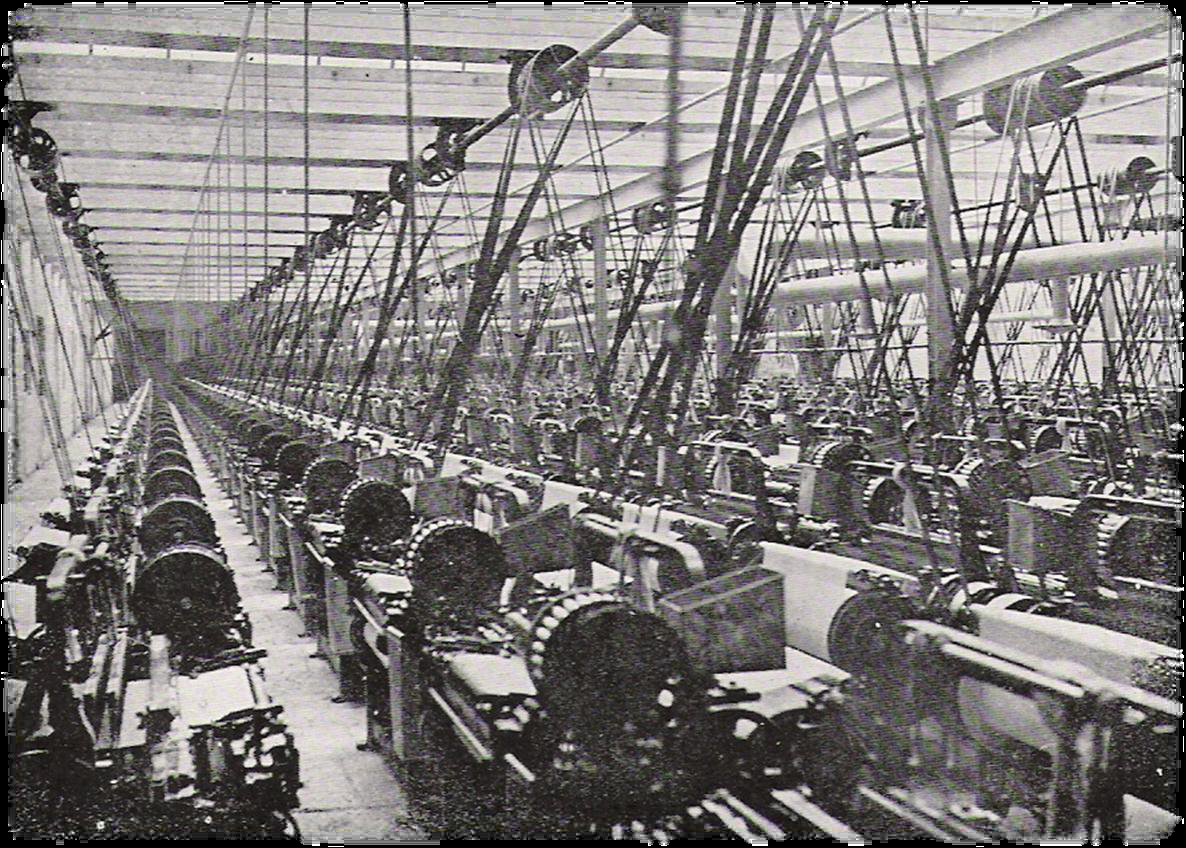
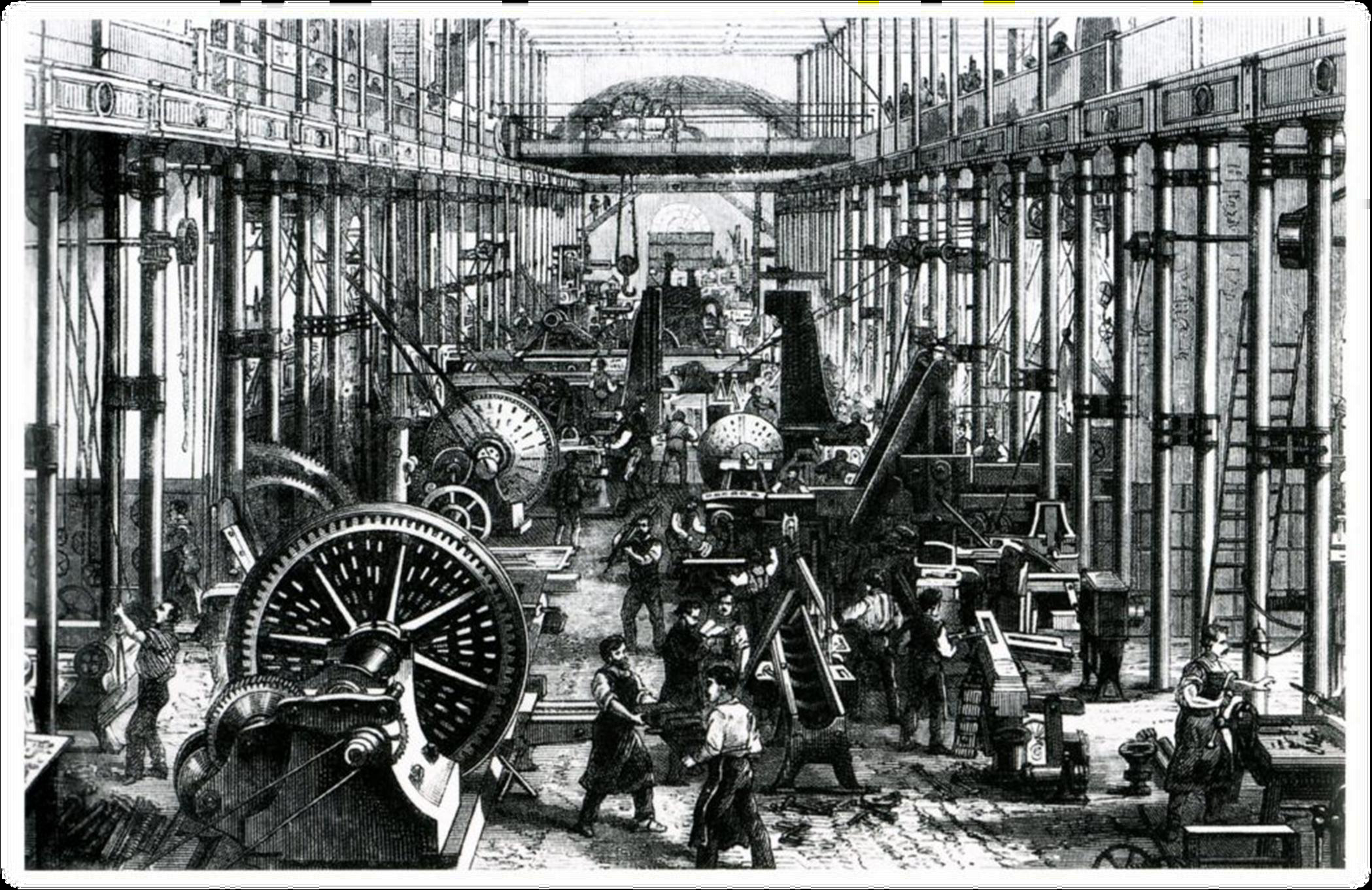
Factory System The factory system was called the manufacturing system that appeared in 1750 in Britain and was based on machines. Instead of people working hand-powered machines in their homes, big factories were established with rows of large machines. Workers left their homes to go and work in the factory, in return for a weekly wage. As the machines could do the work of families, production increased, and goods were produced at affordable prices. In the beginning, machines were powered by water mills, but later on many used steam power. The Domestic system still continued alongside the Factory System for a time but then disappeared as it became very difficult to compete against mass production.
Página 10
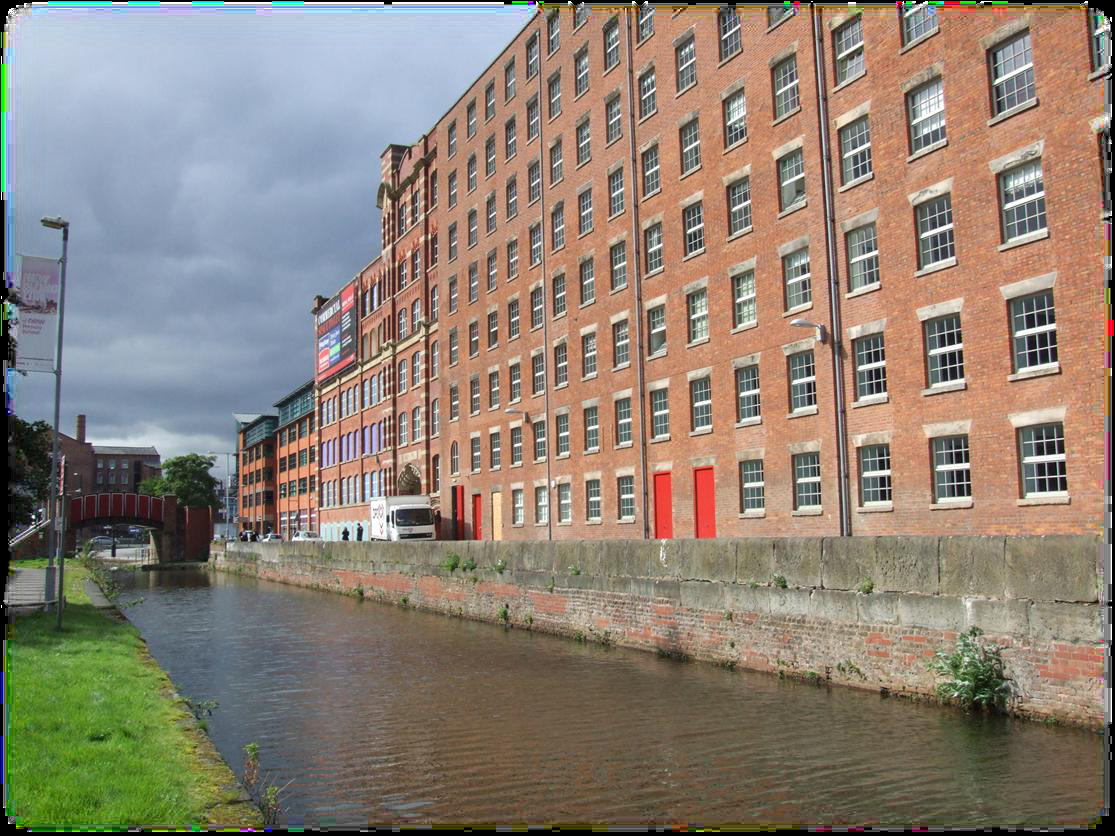
Example Some factories were huge. For instance, the Cotton Mill, built in 1850 by Sir Titus Salt outside Bradford was on the largest on its time.
Página 11
Advantages for the workers (Factory System) ✓The workers were not responsible for the production anymore. ✓Even if the production was ruined, they got their wages. Disadvantages for the workers • They lost their flexibility in work. They could not decide when and how to work. • They were obliged to work long hours under supervision. • They had to move every day to go to work. • They gained less money, as the profit was not all theirs. • The wages were usually low.
Página 12
What major improvement did the Factory System bring for manufacturers? ✓The machines could do the work of many families, so the production increased a lot. They made a lot of profit. ✓The manufacturers could now check the workers and push them to work more. ✓They did not have to move anymore.
Página 13
Why was there an Industrial Revolution?
(The reasons)
There were many reasons why industry changed:
1. Invention of steam power
2. Invention of new machines
3. Increased population
4. Development of transport systems
5. Development of the British Empire
Página 14
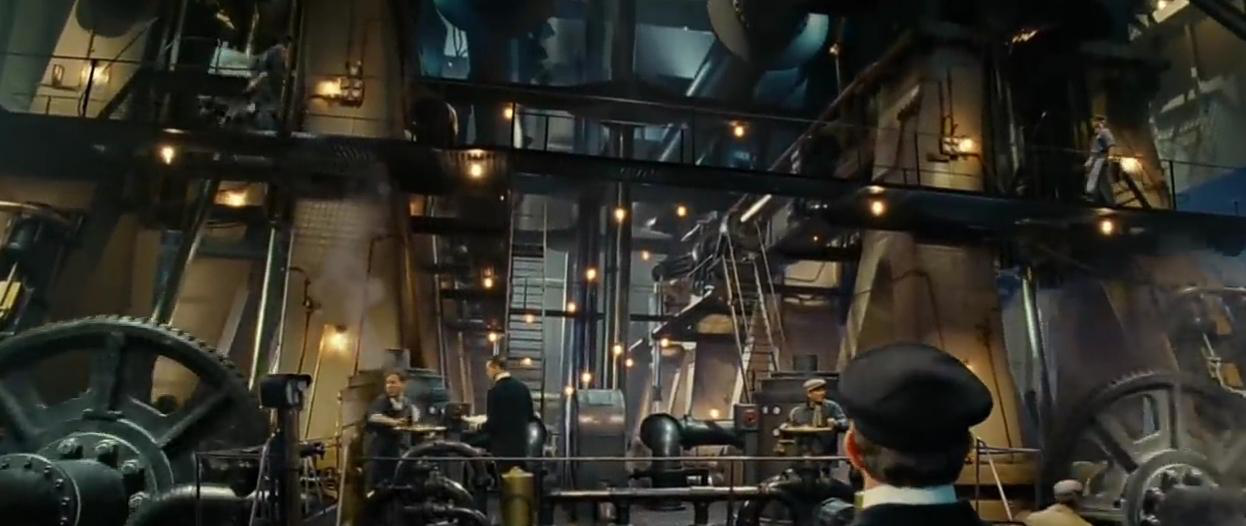
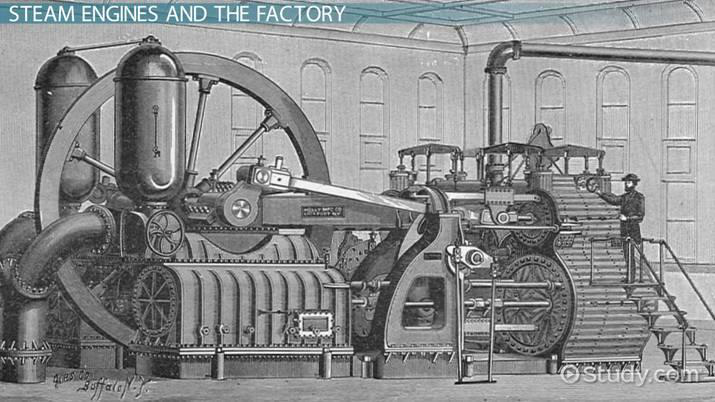
The invention of the steam engine Steam-powered machines in the iron industry, such as the steam hammer, could shape huge pieces of iron for making machines, girders, ships or railway tracks. Steam pumps could now pump water out of mines, allowing deeper mines to be dug. More coal was produced which was needed, in turn, to fuel the steam engines. Many factory machines were steam- powered. Steam engines powered trains and ships. These could carry much larger quantities of raw materials and finished goods across Britain and the world in a faster time. Don't forget that industries were already changing before the invention of the steam engine!
Página 15
Invention of new machines • This was a period of invention. Many new machines were designed to speed up production. • In the 18th century, these were powered by hand or water, but the steam - powered machines of the next century were altogether more powerful, faster, and more precise. Now mass production was possible.

Página 16
Increased population • The growing population and the migration of people from the countryside to the industrial towns provided a huge workforce for new industries. Without this the factories could not have succeeded. • The increased population also resulted in many more people needing and buying goods. There was, therefore, a huge demand for these new mass-produced goods.
Página 17
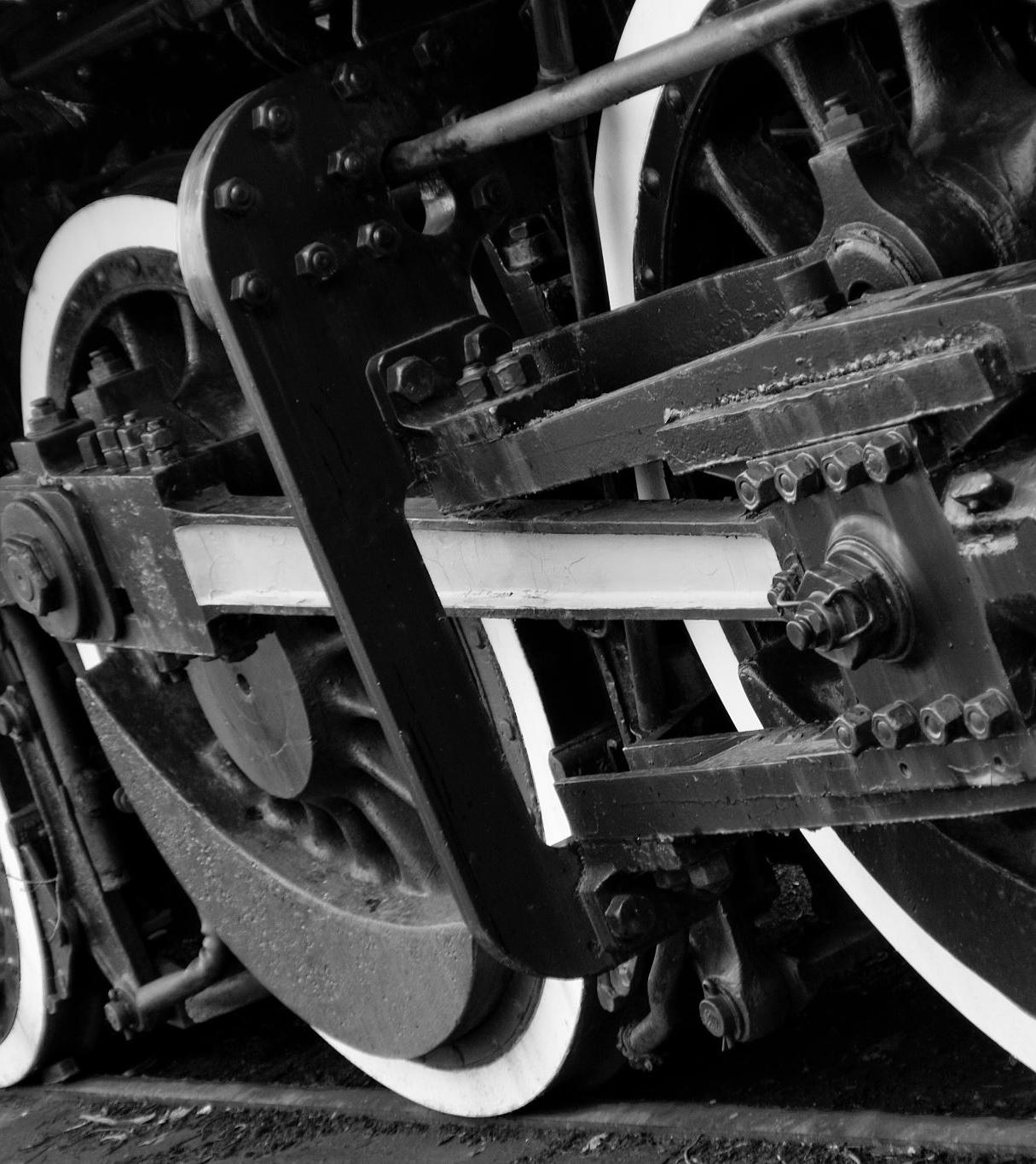
New transport systems • As industry started changing, so new transport systems developed alongside. • In the mid-18th century, the first canals were built to transport raw materials to the factories and to take finished goods to markets. • Following the invention of the steam engine, Railways and steamships transformed the transportation of both raw materials and mass-produced goods. Costs were reduced and time was saved.
Página 18
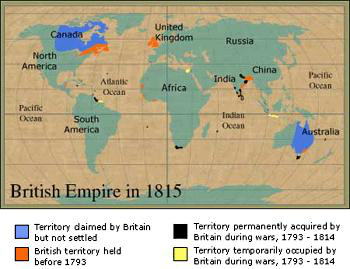
Development of the British Empire During the 18th and 19th centuries, Britain gained control of more and more territories or colonies. This empire helped the revolution of industry by providing the necessary raw materials. It also provided new markets in which to sell Britain's manufactured goods.
Página 19
When did the Industrial Revolution begin?
The date is still a subject of debate. Some support that it started in 1780 and it
was fully felt in 1830 or 1840. Others say it occurred between 1760 and 1830.
There are some who believe that the term "revolution" is not right,
because the social and economic changes happened gradually.
Is that a Revolution?
Página 20
(Sin texto seleccionable en esta página.)
Siguiente bloque: continúa la secuencia de estudio con la parte siguiente; el contenido debajo es el mismo que en el PDF de origen.
Parte 5 — Consecuencias sociales: condiciones de trabajo
Fuente original: The social consequences of the Industrial Revolution_Working Conditions_Final version_2026.pdf
Página 1
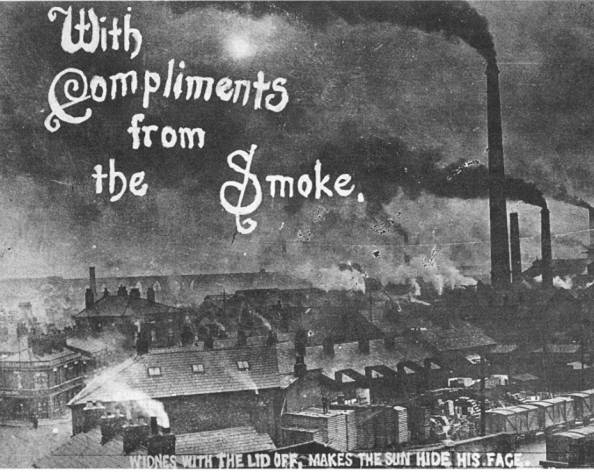
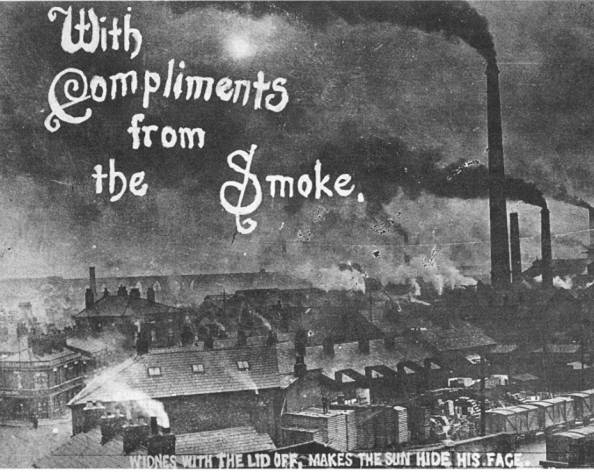
The social consequences of the Industrial Revolution 19th century, Widnes S5HISEN – April 2026 Working Conditions




Página 2
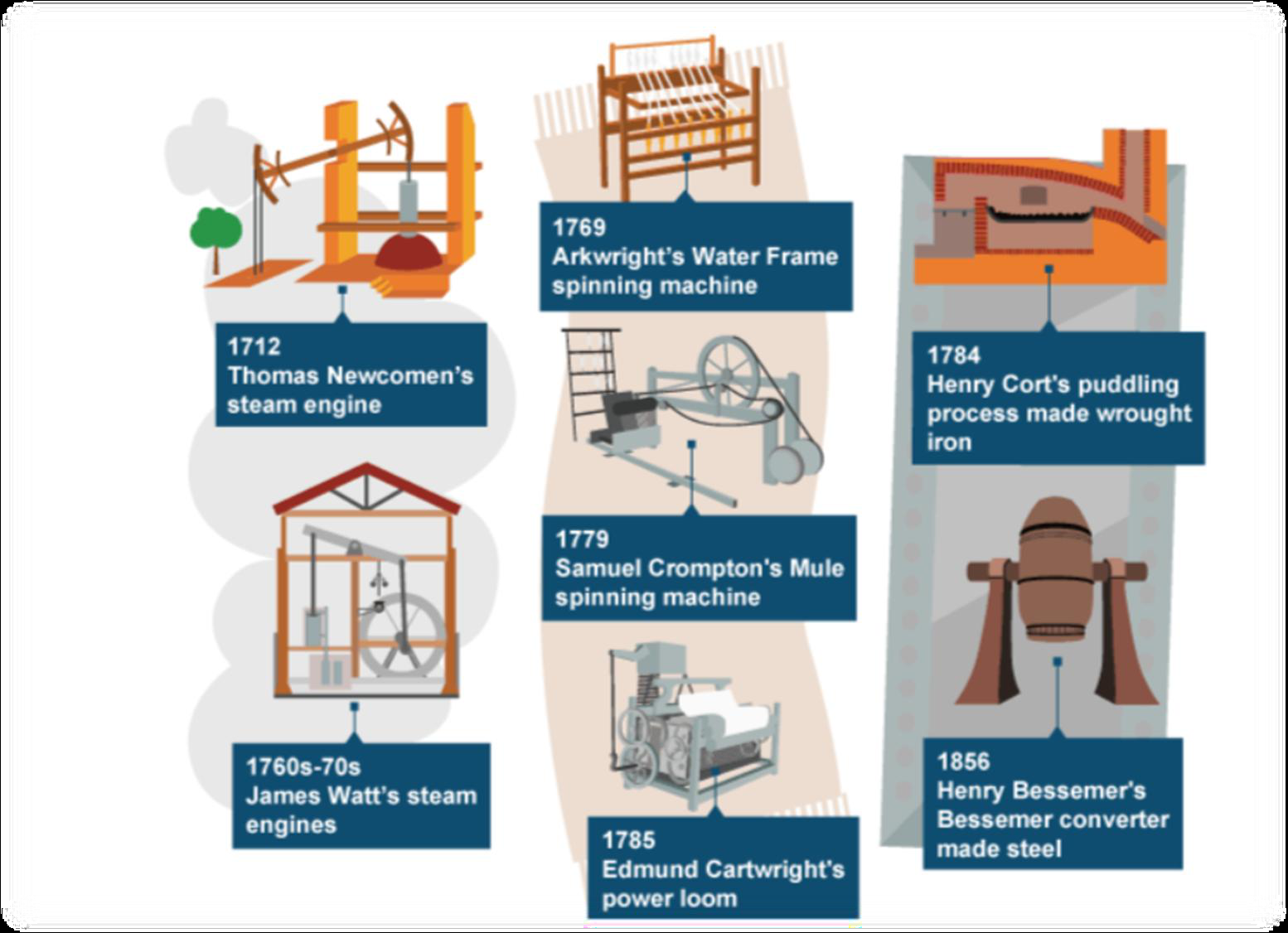
Reminder!!! Inventions and innovations in the Industrial Revolution
Página 3
The Industrial Revolution involved innovation, capital investment and increased output: • Textiles John Kay’s Flying Shuttle was a very successful innovation in weaving. James Hargreaves' Spinning Jenny (1764). • Iron and steel Huge ironworks, eg Richard Crawshay's Cyfartha works in South Wales and John Roebuck's Carron Works in Scotland. • Coal Better coal mining techniques allowed deeper mines. • Steam power James Watt made steam engines much more efficient in the 1760s and 1770s giving huge savings on fuel.
Página 4
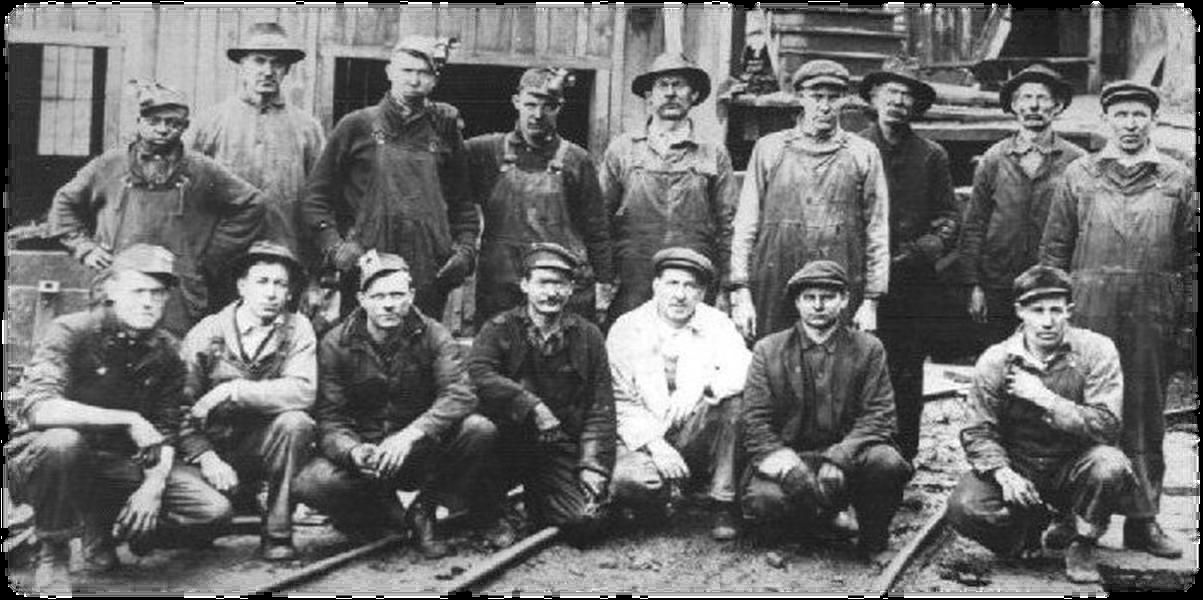
Recap: We can identify three interrelated social transformations brought about by the Industrial Revolution: Urbanization: The change in where people lived. People went from being village dwellers to being town dwellers. Towns grew rapidly with significant social consequences. New social classes: The change in who people were. The rise in the new entrepreneurial middle class and urban working class. New ways of working: The change in the mode and method of production resulted in new ways of earning a living.
Página 5
New social classes The new capitalist class, owners of factories, mills, foundries and mines but also providing services to the expanded populations of the new towns. Self-made men and entrepreneurs. The new industrial working class. Free from feudal ties to sell their labour in the new factories. Unprotected, unorganized and easily exploited in badly paid, insecure and dangerous occupations.
Página 6
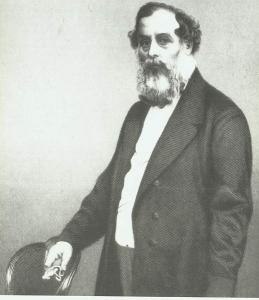
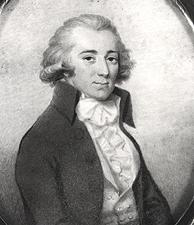
The new capitalist class, like Titus Salt (left) or Samuel Gregg (right). Sons of merchants and early industrialists they made vast fortunes in the industrial revolution. The new middle class had significant economic influence but little national political power because Parliament was still dominated by a ruling landowning aristocracy. Many of the new middle class campaigned for political reform and changes to favour the interest of the new industrial economy. They were often very influential in local politics.
Página 7
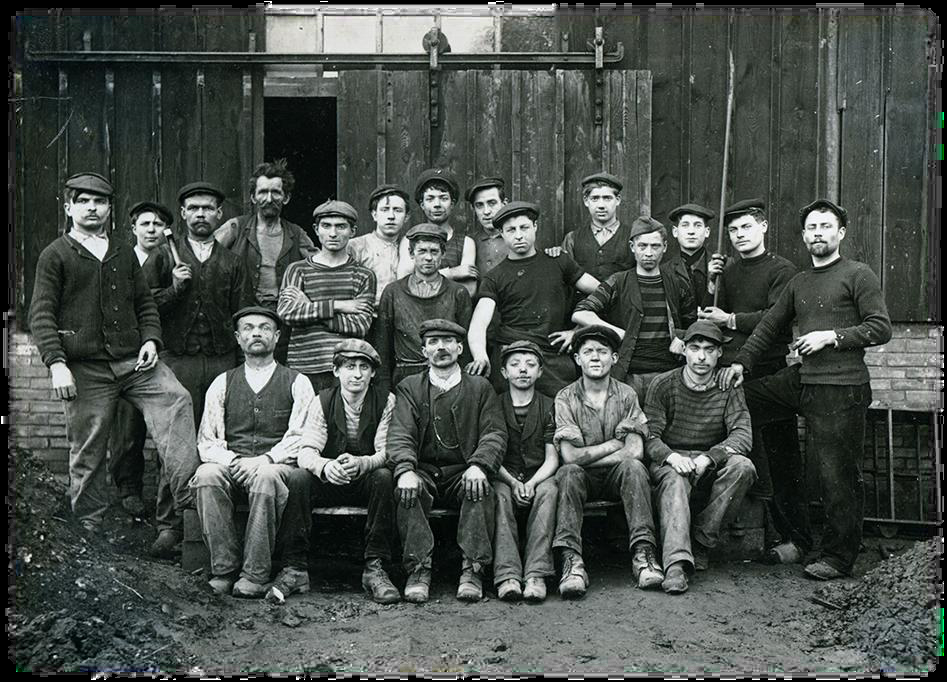
The new industrial working class were recent migrants from the countryside. They might be attracted by the freedom and excitement of the towns or driven from the countryside by declining wages and lost work opportunities. In the new towns they were concentrated in greater numbers than ever before, better educated than the peasants of the countryside they were also victims of unregulated industrial living and working conditions. Their life experiences and expectations were unlike any social classes in previous history.
Página 8
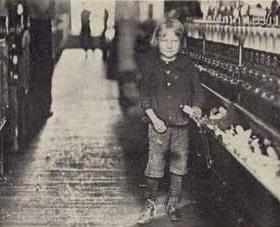
New ways of working New ways of working: The change in the mode and method of production resulted in new ways of earning a living.


Página 9
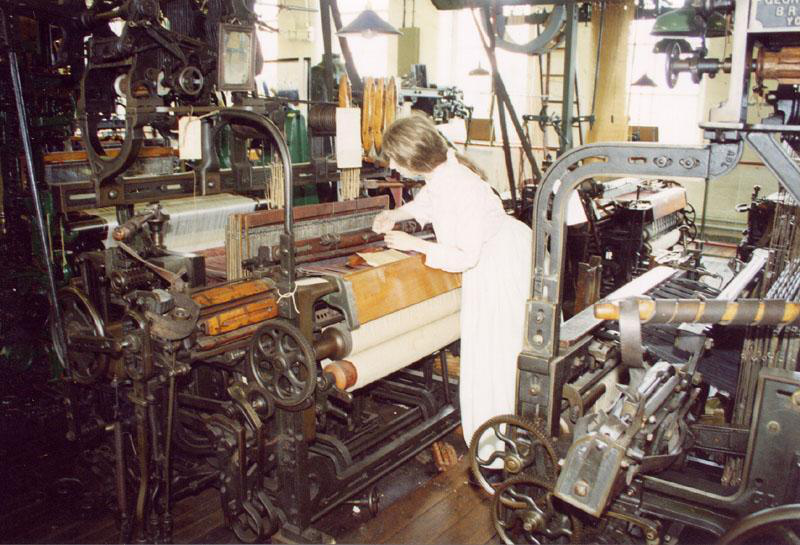
The home you left to go to work would probably have been overcrowded, damp, rat-infested, and without any sanitation (no toilet, bath, or running water). You also would have had a very poor diet, based mainly on bread, bacon, and tea. To get to work you would have had to walk possibly two or three miles, no matter what the weather. Your only set of working clothes smelt of sweat and your shoes, if you had some, would have been well-worn and probably letting in water. Feeling dirty, hungry, and weary you now have to face 13 hours of hard work in the factory.
Página 10
Imagine standing at the same machine for 13 hours a day or more.
Página 11
Today we expect our place of work to be safe and reasonably comfortable, but 200 years ago there were no laws governing health and safety. A factory owner’s main concern was how much profit he made, and he was free to do this as he wanted. If he paid his workers more and put in safety precautions, he had to spend more money and therefore made less profit. Very few factory owners were prepared to reduce profits by improving the working conditions of their workers. Unlike the workers in traditional skilled industries who were protected and represented by guilds, the new industrial working class had no union representation and because they were unskilled could easily be replaced.
Página 12
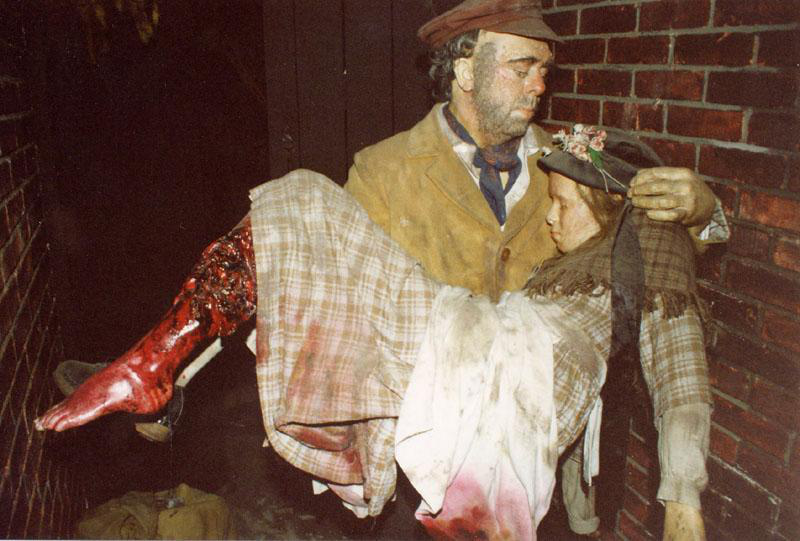
Many new machines were invented for mass producing in the factories. These cost a lot of money. That these machines were often dangerous for the operators was of little concern to the manufacturer. Usually, he was more concerned that any accident delayed the production process. Accidents were commonplace and many people lost fingers, hands, or limbs with no compensation. “She was caught by her apron, which wrapped around the shaft. She was whirled around and repeatedly forced between the shaft and the carding engine. (Her right leg was found some distance away.)” A factory inspector reported what happened to a young girl in a textile factory in the 1840s.
Página 13
Those injured in factory accidents had little chance of survival. Hospital care was poor, and there was no free health service.
Página 14
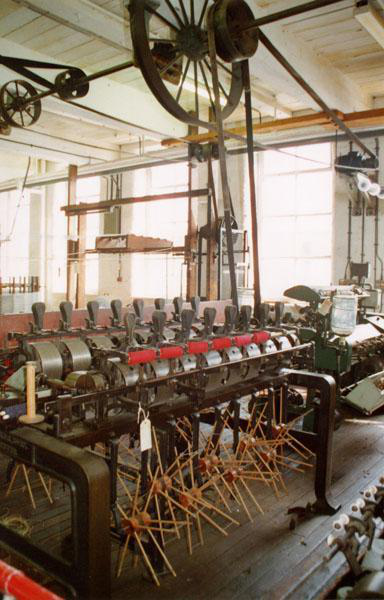
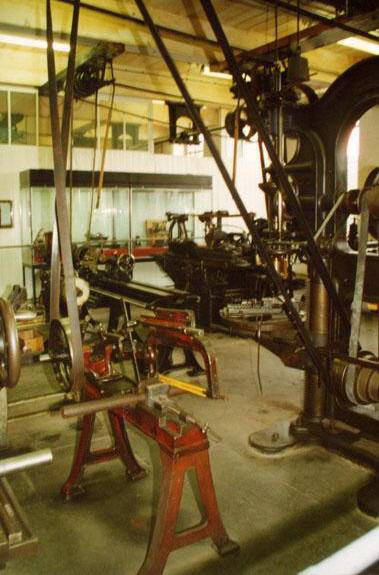
There were rarely any safety guards on drive bands or the moving parts of machinery.



Página 15
- Some factories were so noisy that the workers went deaf. “The packer has to enter a chamber which has been filled with chlorine gas. Though the worst of it has been allowed to escape, the atmosphere is still charged with deadly fumes. The heat is tremendous. Gassing is such a common matter that the men would describe it as they would tell you what their Sunday dinner was like.” Reference to ‘bleach powder packers’ in a Home Office report of 1893. Factories were rarely heated in winter or ventilated in summer. Steam or gases often made the air unbearable. There was no protection against dangerous chemicals or gases and the owner was not liable for any injuries.
Página 16
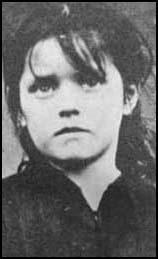
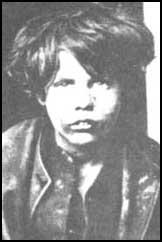
‘In what part of the mill did you work?’ ‘In the card-room. It was very dusty. The dust got upon my lungs. I got so bad in health.’ Evidence given by Elizabeth Bentley to a Parliamentary Committee in 1831. ‘…we had but half got our dinners, and he put the clock forward to one, and he rang the bell, and we were obliged to run back to our work.’ ‘Is there not considerable dust in that employment?’ ‘Yes.’ ‘Does it not injure your food very much?’ ‘Yes, you cannot take the food out of your basket but that it is covered with dust directly.’ Joseph Hebergam, aged 17, 1831.
Página 17
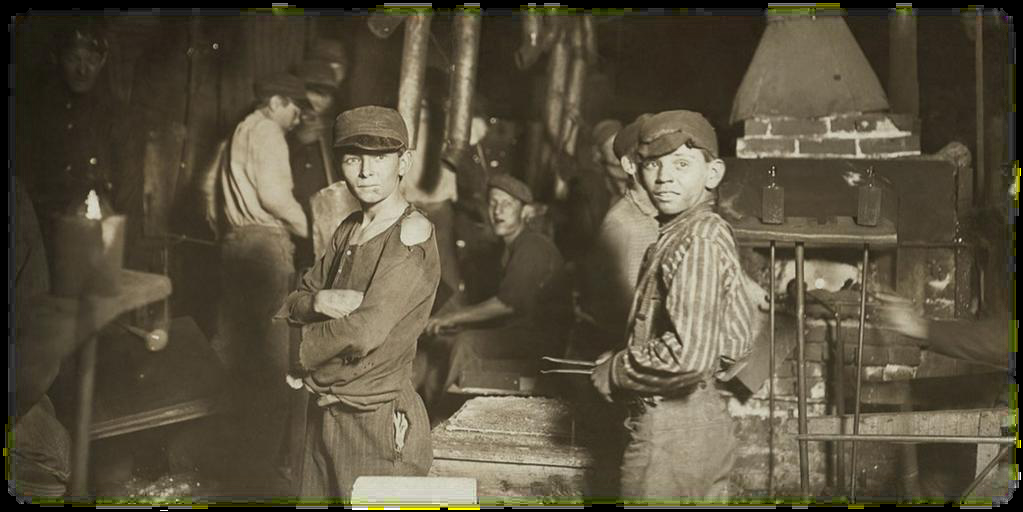
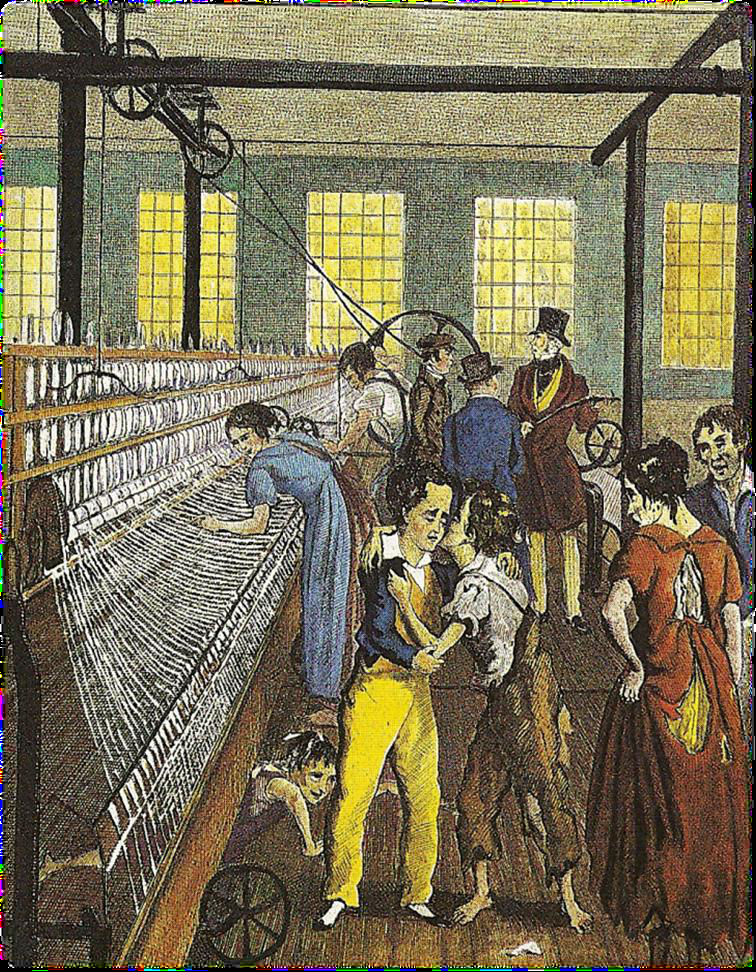
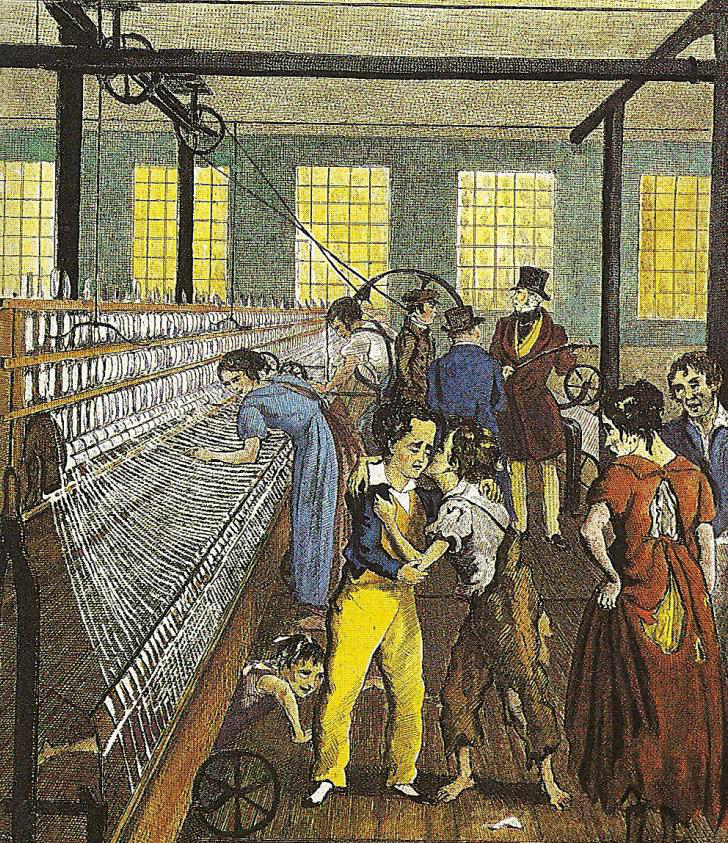
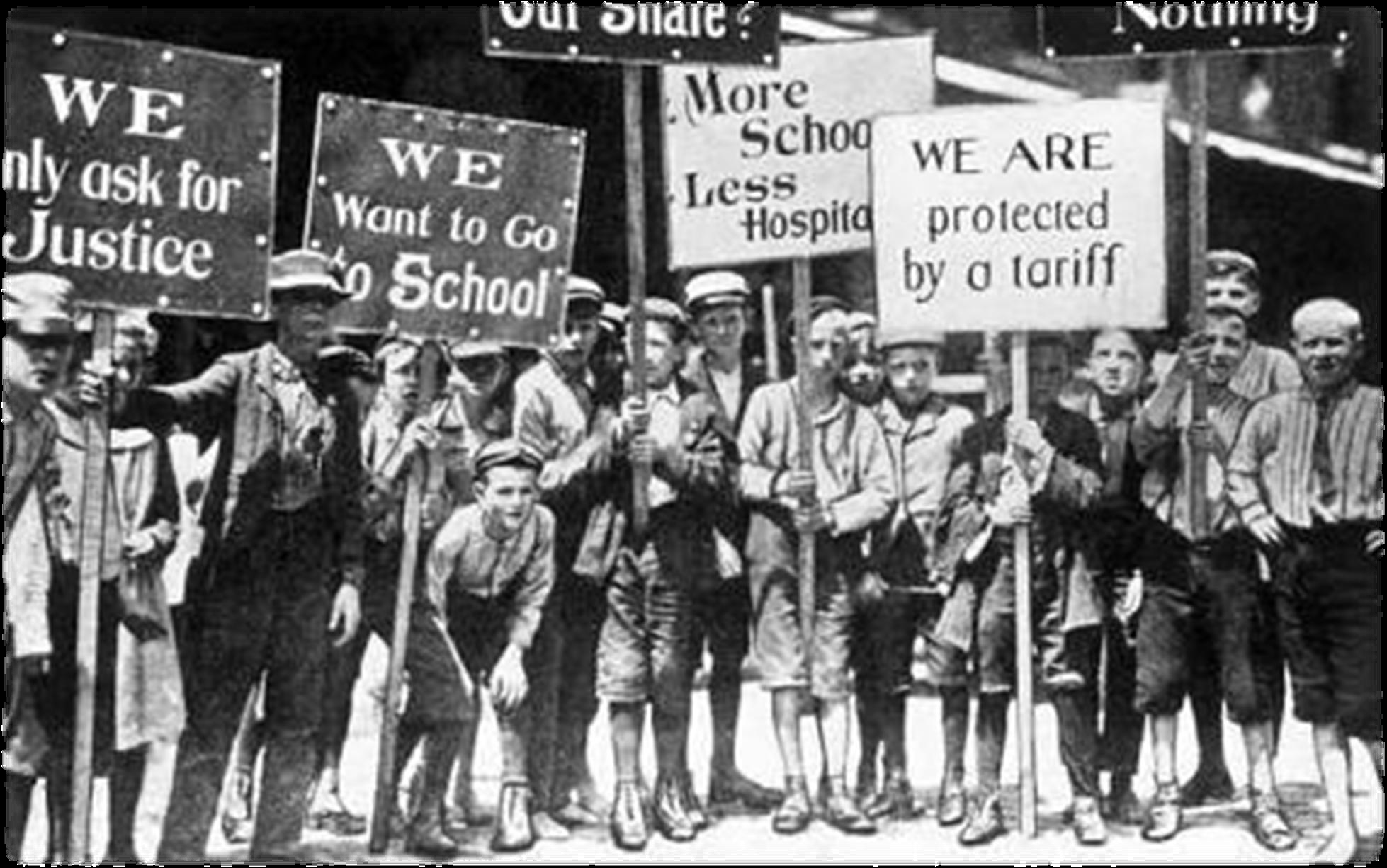
Today we, quite reasonably, expect to be treated fairly at work, but this was not the case in 19th century factories. Many children, from as young as six years old, were employed because they could be paid very little and were small enough to crawl under the machines. Often, they would be beaten to keep them awake. All workers were fined for being late or slowing down in their work and they could be sacked immediately with no explanation.
Página 18
●Why were children employed in factories? ●Workers could not be treated like this today. Why did they accept it then? ●Is this a reliable image of child labour in 19th century England?

Página 19
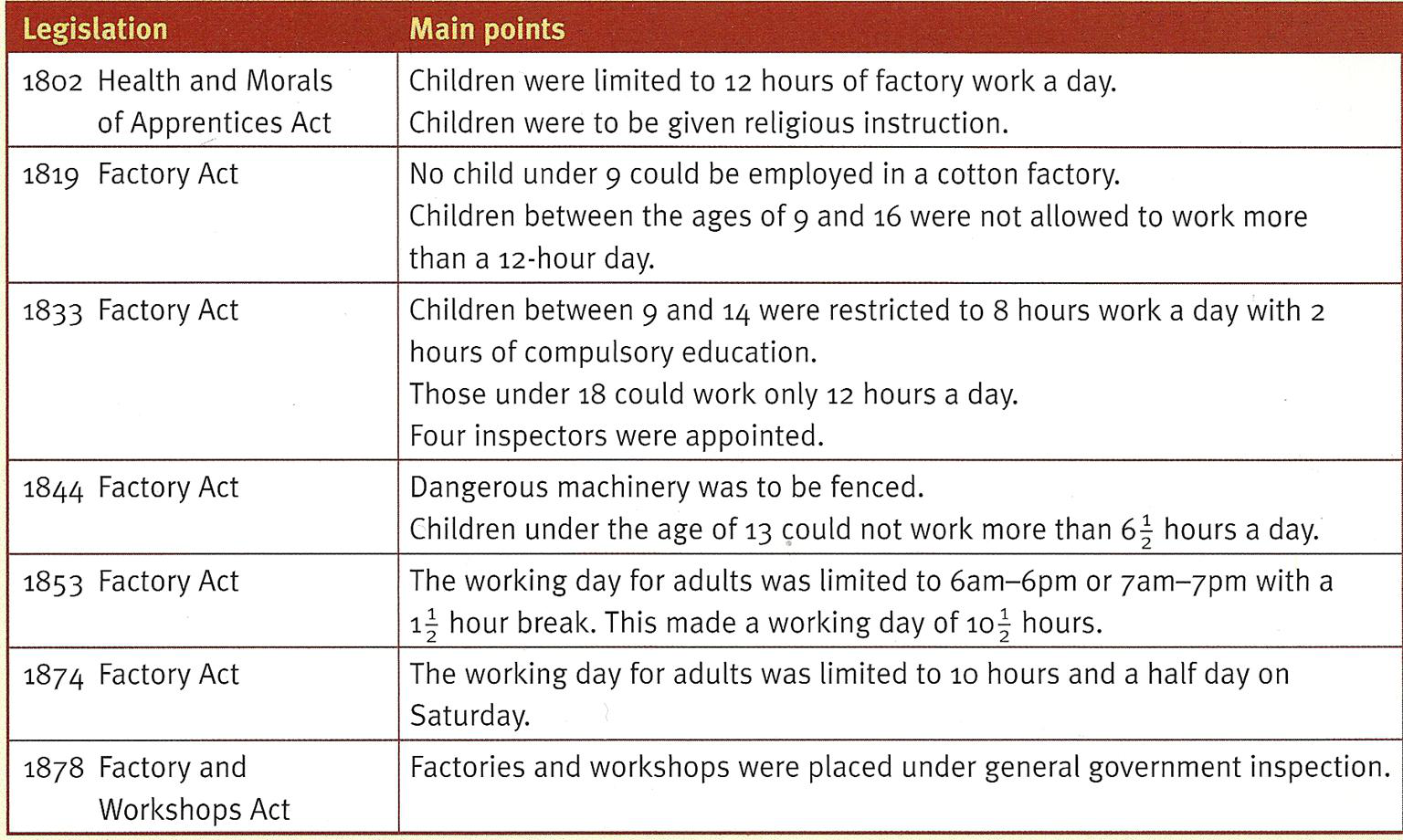
New laws (Acts of Parliament) passed during the 19th century in England tell us much about what work was like. In addition, new laws were often ignored.
Página 20
(Sin texto seleccionable en esta página.)
Siguiente bloque: continúa la secuencia de estudio con la parte siguiente; el contenido debajo es el mismo que en el PDF de origen.
Parte 6 — Consecuencias sociales: condiciones de vida
Fuente original: What were the social consequences of the Industrial_Living Conditions_final version_2026.pdf
Página 1
The social consequences of the Industrial Revolution 19th century, Widnes S5HISEN – March 2026




Página 2
So far, we have largely focused on the economic character of the Industrial Revolution. We have examined how technological innovation and economic reorganization transformed Britain into an industrial capitalist economy. Next, we are going to consider the social, cultural and political consequences of this economic transformation. ‘Social relations are closely bound up with productive forces. In acquiring new productive forces men change their mode of production; and in changing their mode of production, in changing the way of earning their living, they change all their social relations. The hand-mill gives you society with the feudal lord; the steam-mill, society with the industrial capitalist.’ Karl Marx, The Poverty of Philosophy 1847 What were the social consequences of the Industrial Revolution?
Página 3
By ‘social’ consequences we mean the way in which peoples’ lives were changed in a material, externally observable way e.g. the rise of social classes or living and working conditions. ‘Cultural’ consequences refer to the intellectual and spiritual way in which peoples’ internal lives were transformed e.g. how people viewed the world and what they expected from it. ‘Political’ consequences are concerned with how traditional pre-industrial systems of power and governance were challenged by new types of people with new ways of thinking about how the country should be run e.g. why should aristocrats decide everything just because they own lots of land?

Página 4
We can identify three interrelated social transformations brought about by the Industrial Revolution: ●Urbanization: The change in where people lived. People went from being village dwellers to being town dwellers. Towns grew rapidly with significant social consequences. ●New social classes: The change in who people were. The rise in the new entrepreneurial middle class and urban working class. ●New ways of working: The change in the mode and method of production resulting in new ways of earning a living.


Página 5
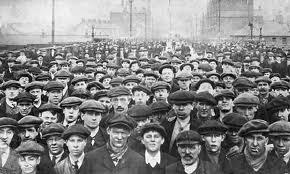
Urbanization. The change in where people lived. People went from being village dwellers to being town dwellers. Towns grew rapidly with significant social consequences.
Página 6
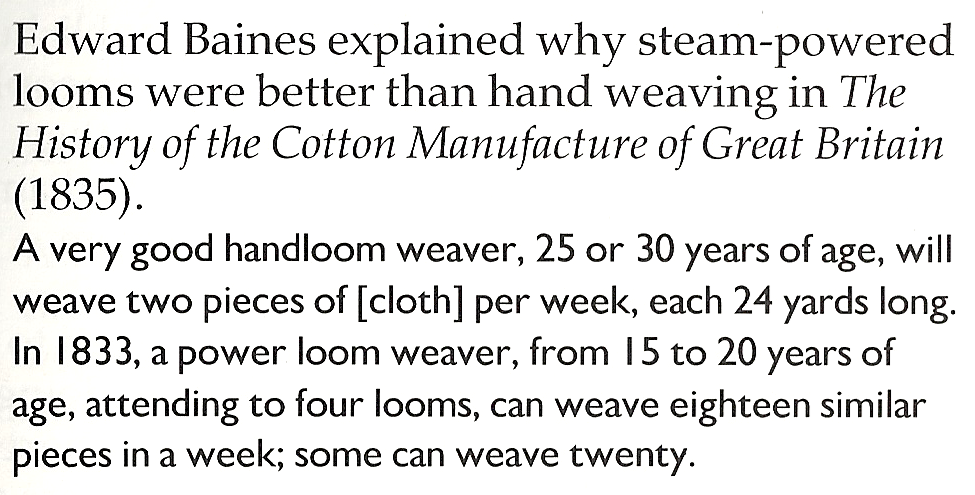
What happened to cottage industry?
Página 7
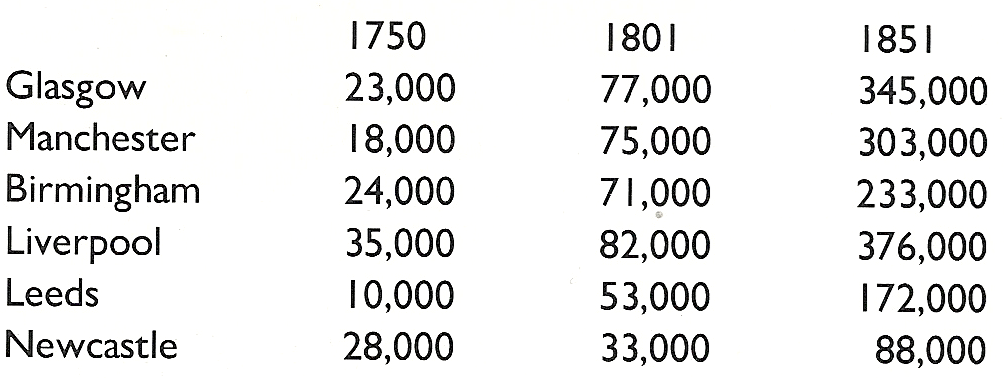
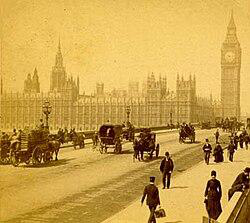
During this time the population of London went up from just over 1 million in 1801, to 6.5 million in 1901. Which of these towns grew the most in the 19th century? Which town grew the most in the first half of that century?
Página 8
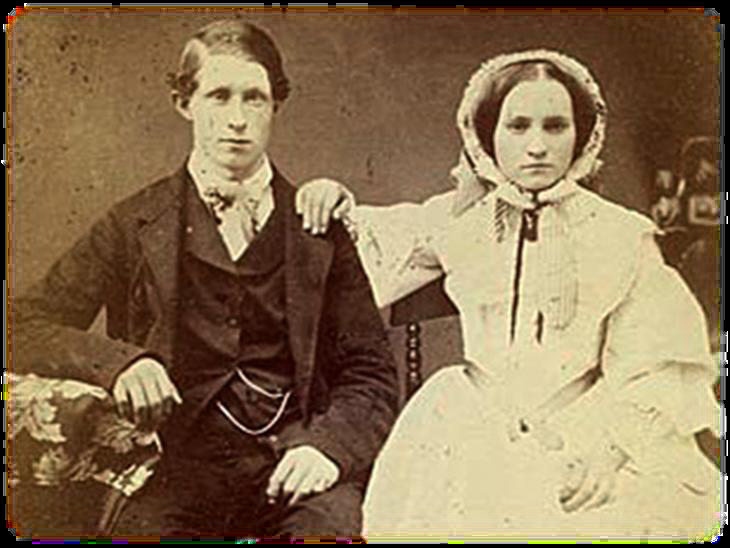
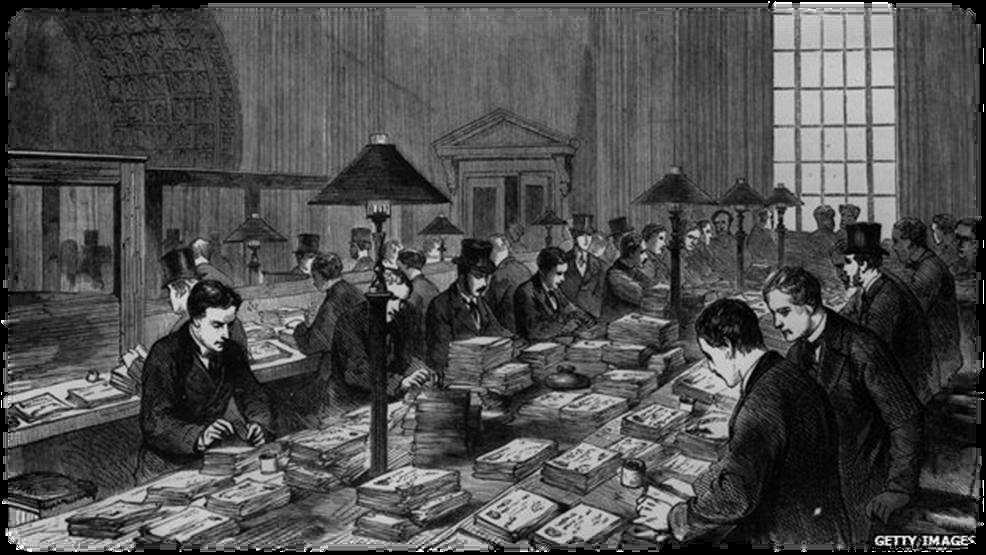
Why did the population grow so quickly? 1) The birth rate rose, and the death rate fell. In other words, more babies were being born and fewer people died so early. 2) Improved, more efficient farming methods resulted in better quality food being produced, and more of it. Nutrition therefore improved for most people from the unborn child upwards. This helped reduce slightly the infant death rate and also improved the fertility of couples. 3) Growth of industry meant there were many new jobs and steady wages. This resulted in couples being able to get married and start having children at an earlier age.
Página 9
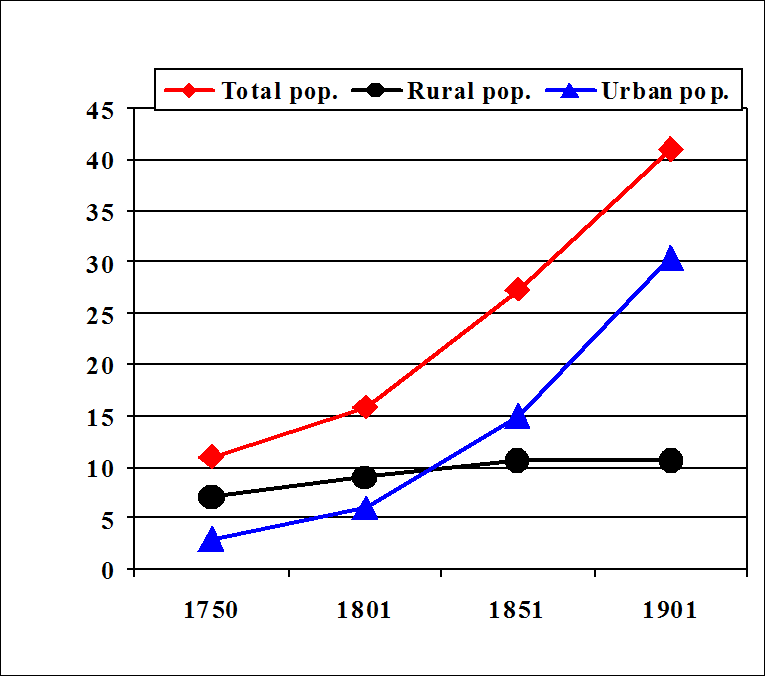
Generally speaking, between 1750s and 1900s the rural population increased only marginally, whereas the number living in towns grew by about 1000%.
Página 10
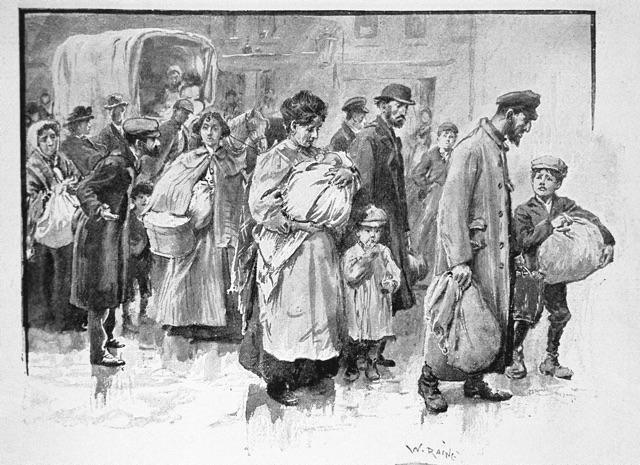
What caused the population migration?


Página 11
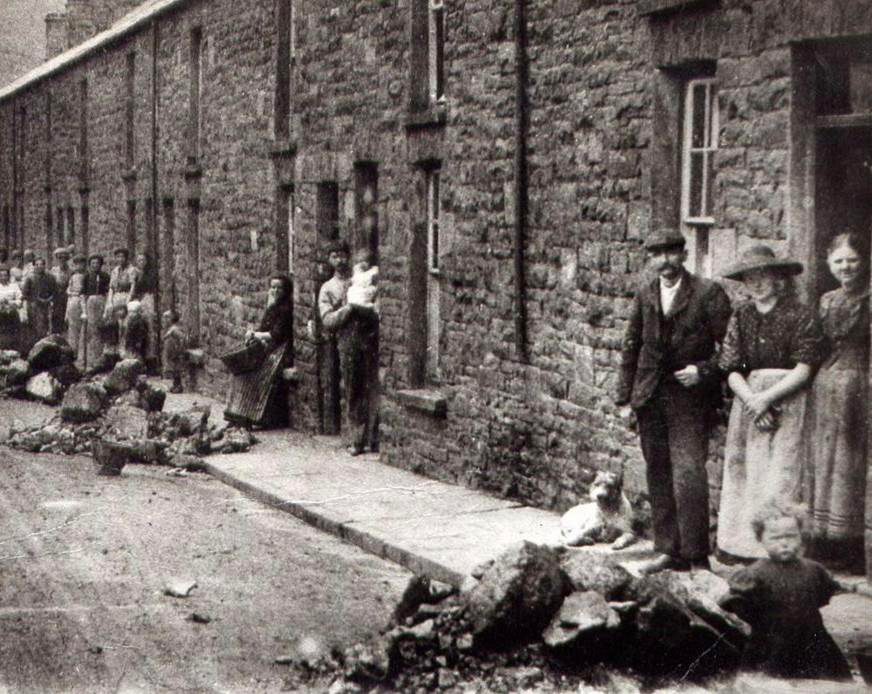
➢The population of Great Britain increased rapidly during the 1800s, with cities like London seeing a sharp rise in the number of people living there. ➢The rapid growth was accompanied by overcrowding and associated medical issues.
Página 12
Health & Housing https://www.youtube.com/watch?v=hKKzUcqZgMY
Página 13
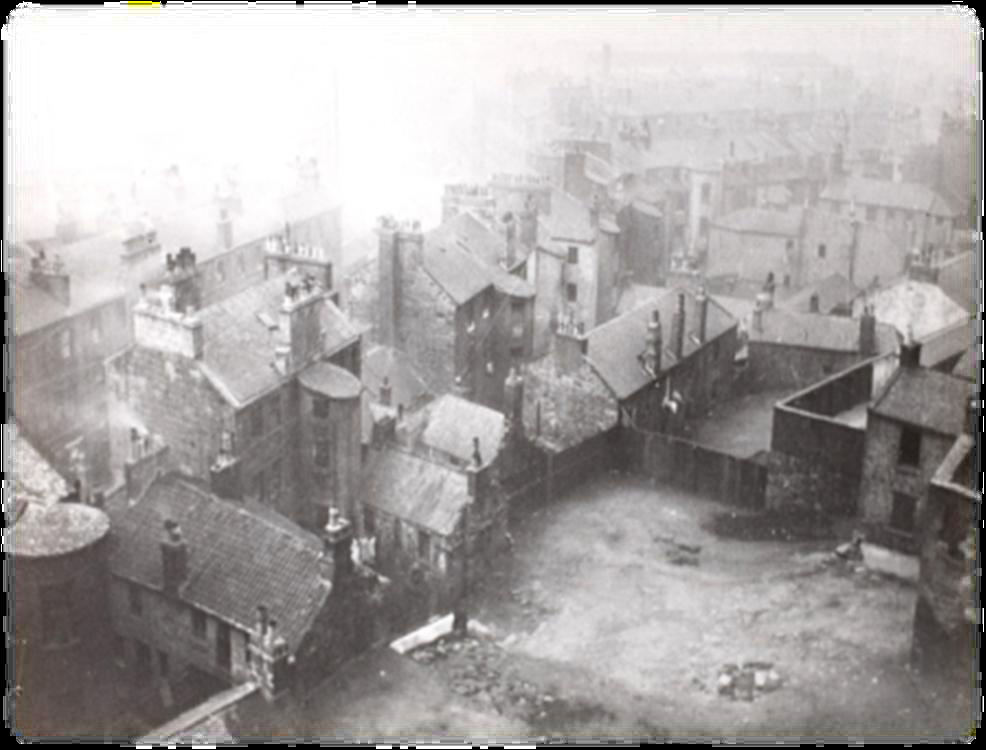
A bigger population provided the larger labor force that the Factory System needed. It can also be argued, however, that more jobs enabled families to expand more quickly. The increased numbers meant that more food was needed, and this caused the existing farming improvements to accelerate. Many more houses were needed, and most people living in towns had to suffer overcrowding in quickly, poorly- built houses. Find one advantage and one disadvantage of a bigger population. What were the social consequences of the Industrial Revolution? - Urbanization
Página 14
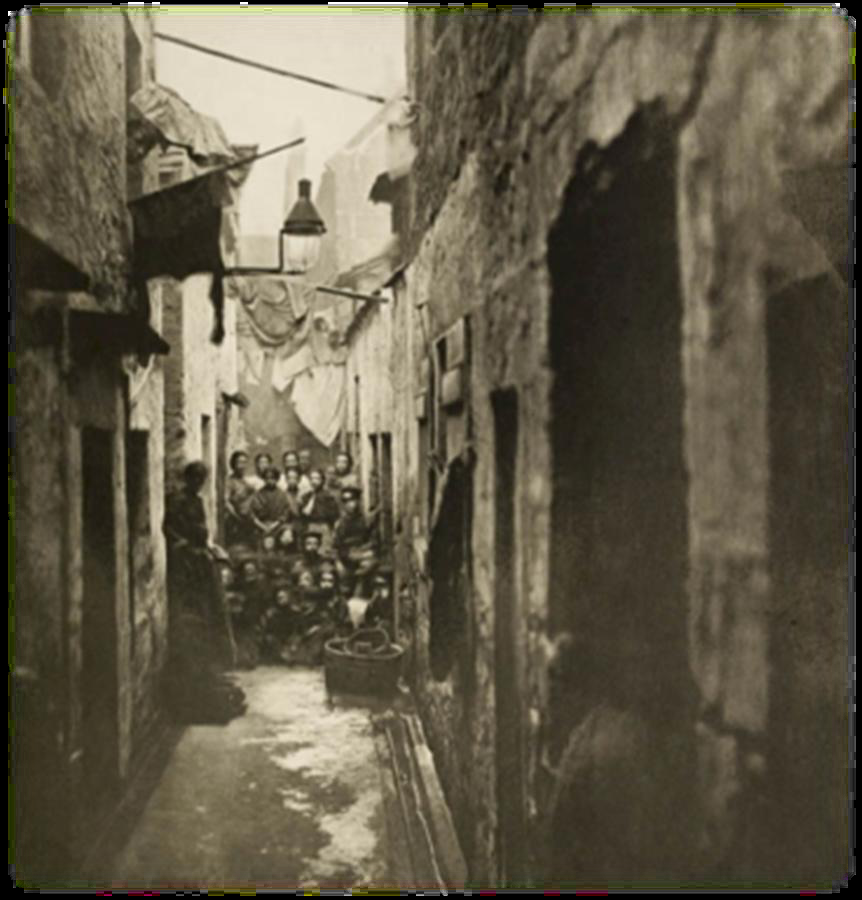
Why were housing conditions so poor? As new factories were set up, houses, shops and inns had to be built for the workers who flocked to the towns hoping to find jobs. Thousands of new houses were built in a very short time, without any rules on planning or quality. A contemporary writer explained why conditions were bad. ‘These towns have been built by small speculators with no interest for anything except immediate profit. A carpenter and a brick-layer club together to buy a patch of ground, and cover it with what they call houses.’
Página 15
(Sin texto seleccionable en esta página.)

Página 16
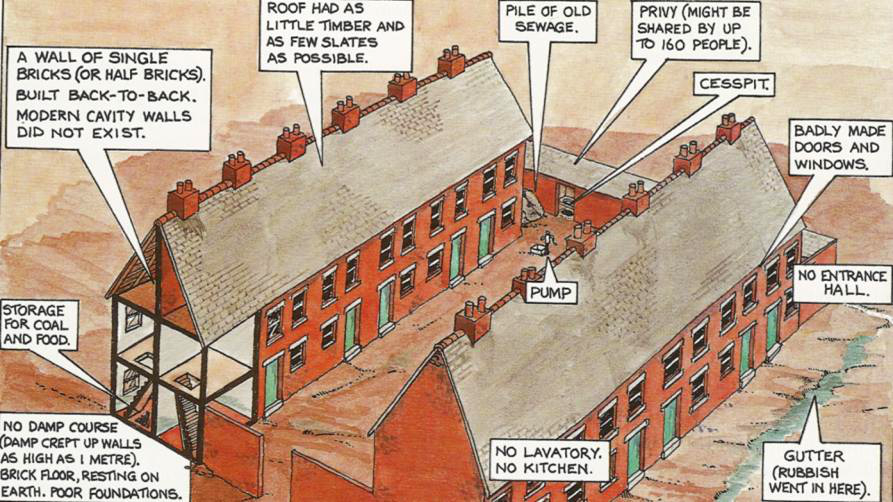
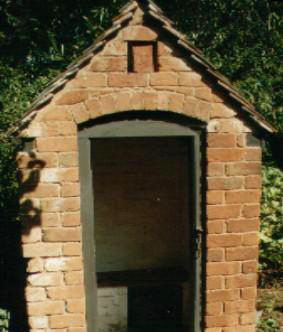
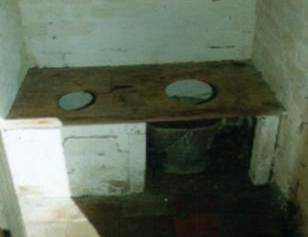
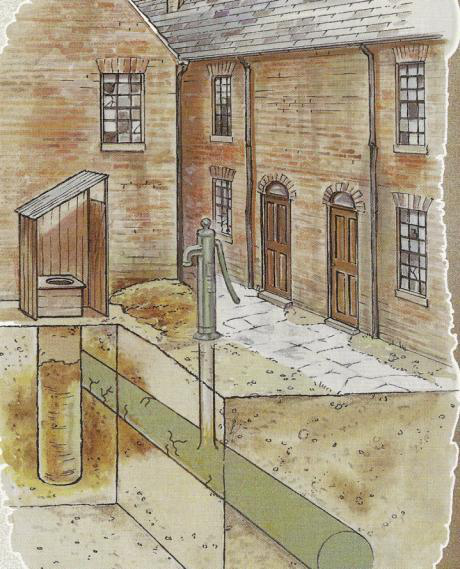
Houses were crammed together. Many had no foundations, were damp and lacked ventilation. Very few had any form of sanitation (toilets). Sometimes there was a privy (primitive toilet) shared between several houses.



Página 17
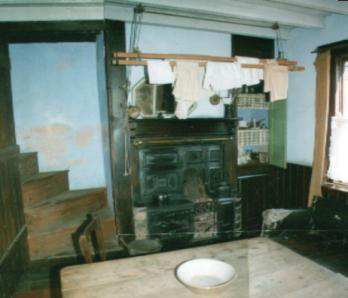
The shortage of housing often meant that one house accommodated several families, each having one room: ‘On the second floor lived a widow. In her room lived her grown-up son, two daughters, and two or three children of one of these daughters. Above on the third floor lived a market porter, his wife and four children.’ Charles Booth, 1889. Most of these slum dwellings contained little in the way of furniture. Many had just a table, a few chairs and a bed. Some did not even have that. A bed would be shared by several family members, and if some did shift work the bed could be used night and day.
Página 18
What were the consequences of bad, dense housing? Needless to say, the major effect of such poor, overcrowded and dirty housing was poor health. The awful living conditions were an ideal environment for diseases to spread.
Página 19
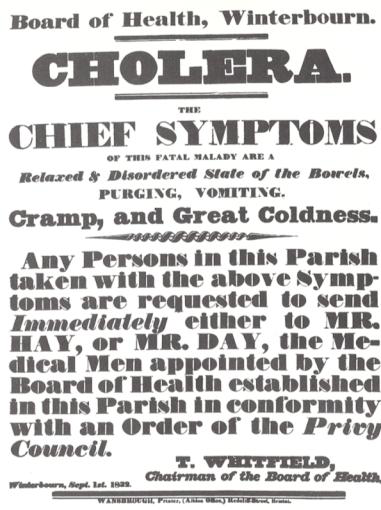
What were the consequences of bad, dense housing? TB (tuberculosis), diphtheria, measles, cholera and influenza (flu) were just a few of the diseases which claimed hundreds of thousands of lives. Together with dangerous working conditions, long hours, poor diet and pollution, this resulted in an average life expectancy for the working class in Manchester of just 17 years.

Página 20
Health & Housing
https://www.dailymotion.com/video/x7lqk8v
Activity - Watch the video below and answer the questions on the worksheet
Friday 17/04
Fin del material consolidado. Las imágenes enlazan a la carpeta _extracted_assets/.